RSS

The First-Time Buyer’s Guide to Finding Hidden Gems in Burnaby and the Tri-Cities

So you're ready to buy your first home. Congratulations! But let's be honest, if you've been browsing listings in Vancouver proper, you've probably experienced some serious sticker shock. Here's the good news: Burnaby and the Tri-Cities (Coquitlam, Port Coquitlam, and Port Moody) are packed with opportunities that many first-time buyers overlook.

These areas offer something Vancouver's downtown core simply can't: space, community feel, and prices that won't make you cry into your coffee. Let me walk you through how to find those hidden gems that'll make you wonder why everyone isn't doing this.

Why Burnaby and the Tri-Cities Should Be on Your Radar

Before we dive into the how, let's talk about the why. These communities have evolved dramatically over the past decade. We're talking about excellent SkyTrain access, thriving local shops and restaurants, beautiful parks, and, most importantly, more attainable price points.

The Tri-Cities especially have seen massive infrastructure improvements. Port Moody's Brewers Row has become a foodie destination. Coquitlam Centre rivals any shopping experience in the region. And Burnaby? It's essentially Vancouver's cooler, more affordable neighbour with equally impressive amenities.
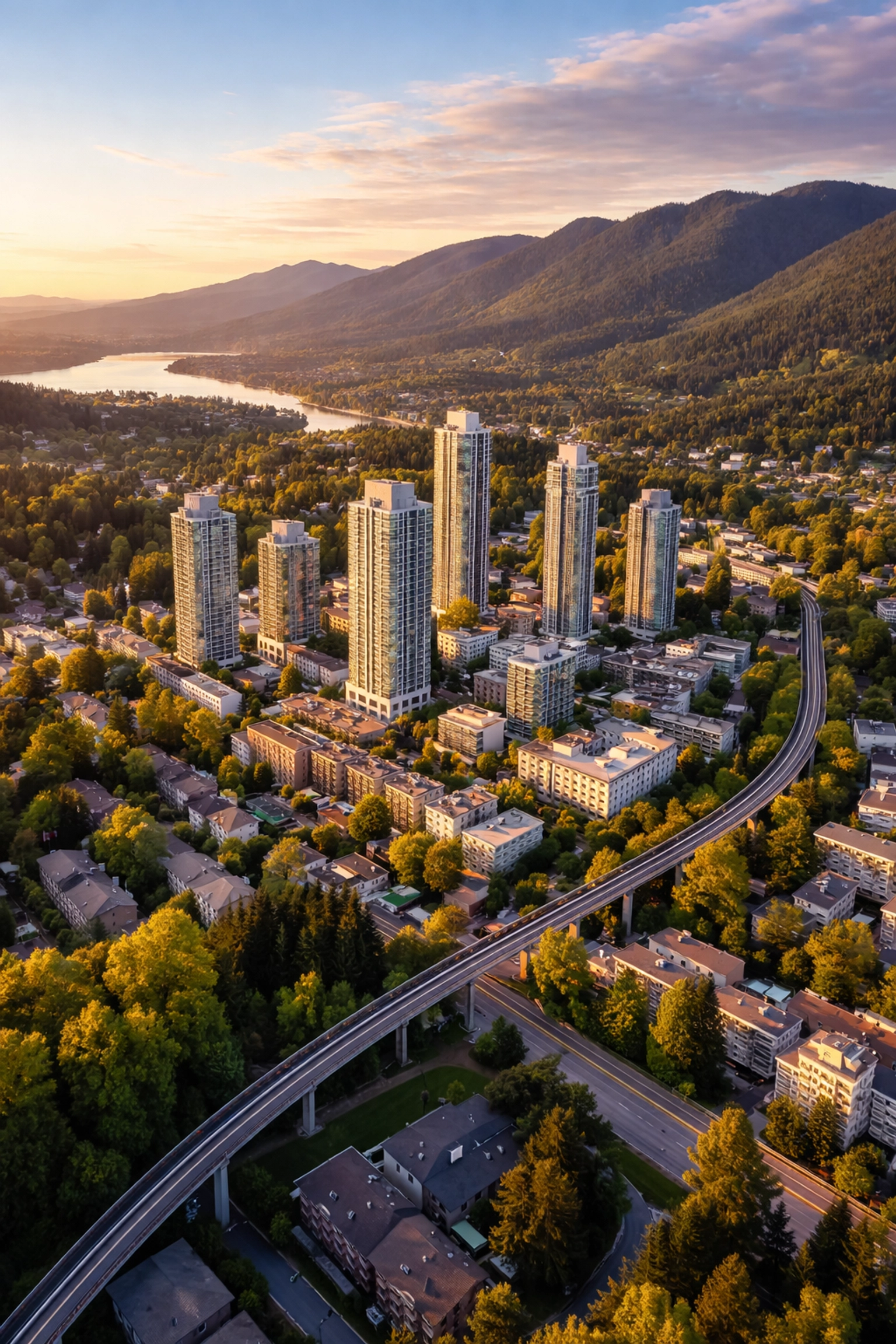
Aerial view of Coquitlam and the Tri-Cities showing residential towers, SkyTrain, and lush mountains, explore affordable real estate in Burnaby and beyond.

Identifying Undervalued Neighbourhoods

Here's where things get interesting. Finding hidden gems isn't about luck, it's about knowing where to look.

Burnaby's Best-Value Areas

Edmonds and Brentwood are particularly popular among first-time buyers. You'll find solid affordability without sacrificing access to amenities, transit, and green spaces. These neighbourhoods have that sweet spot of established community vibes with ongoing development.

Burnaby Heights offers a more suburban feel if you're seeking something quieter. Think tree-lined streets, local coffee shops, and neighbours who actually wave hello.

Metrotown is perfect if proximity to shopping centres and the SkyTrain is non-negotiable for your lifestyle. Yes, it's busier, but the convenience factor is hard to beat.

Tri-Cities Hidden Treasures

In the Tri-Cities, look beyond the obvious. Areas like:

  • Burke Mountain in Coquitlam – newer developments with family-friendly layouts
  • Port Coquitlam's downtown core – walkable, charming, and often overlooked
  • Inlet area of Port Moody – waterfront access without the West Vancouver price tag

The key? Neighbourhoods with slightly less hype often offer better value. Look for emerging areas with strong transit access or upcoming developments. That's where the real opportunities hide.

Strategic House Hunting: Work Smarter, Not Harder

Finding a hidden gem requires a game plan. Here's how to approach your search like a pro.

Define Your Must-Haves vs. Nice-to-Haves

Grab a pen and paper (or open your Notes app) and create two lists:

Must-Haves:

  • Number of bedrooms
  • Maximum commute time
  • Proximity to transit
  • Budget ceiling

Nice-to-Haves:

  • Specific finishes or upgrades
  • Parking situation
  • Outdoor space
  • In-suite laundry

This simple exercise prevents overbuying and keeps you focused on properties that truly fit your needs. Trust me: it's easy to fall in love with a stunning kitchen and forget you need an extra bedroom for your home office.

Young first-time buyers reviewing home documents at a modern condo, symbolizing beginning the buying journey in Burnaby and the Tri-Cities.

Leverage Online Tools (The Smart Way)

Use platforms like Realtor.ca and REW to filter homes by price range, number of bedrooms, and neighbourhood. But here's a pro tip: REW offers historical property sales data that helps you understand market trends and identify underpriced properties relative to comparable sales.

Don't just look at current listings. Study what's sold recently and at what price. This gives you leverage when it's time to make an offer.

For more tips on navigating our local market, check out our guide on 10 things you should know when buying in Greater Vancouver.

Getting Your Finances in Order

Hidden gems don't stay hidden for long. When you find one, you need to be ready to move fast.

Get Pre-Approved First

This isn't optional: it's essential. A mortgage pre-approval shows sellers you're serious and positions you to act quickly. In a competitive situation, being pre-approved can be the difference between getting your offer accepted and watching someone else move into your dream home.

Know Your Numbers

Here's a quick breakdown of what you'll need:

  • Minimum down payment: 5% for homes valued up to $500,000, and 10% for the portion between $500,000 and $1 million
  • Closing costs: Plan for 1.5% to 4% of the purchase price
  • Ongoing expenses: Property taxes, maintenance, strata fees (if applicable), and homeowner insurance

Hidden gems often come with lower asking prices because they may need minor cosmetic updates. Factor this into your budget: sometimes a property that needs new paint and flooring represents way better value than a fully renovated unit at a premium price.

"The best deals often go to buyers who are prepared to see past dated finishes and recognize good bones when they see them."
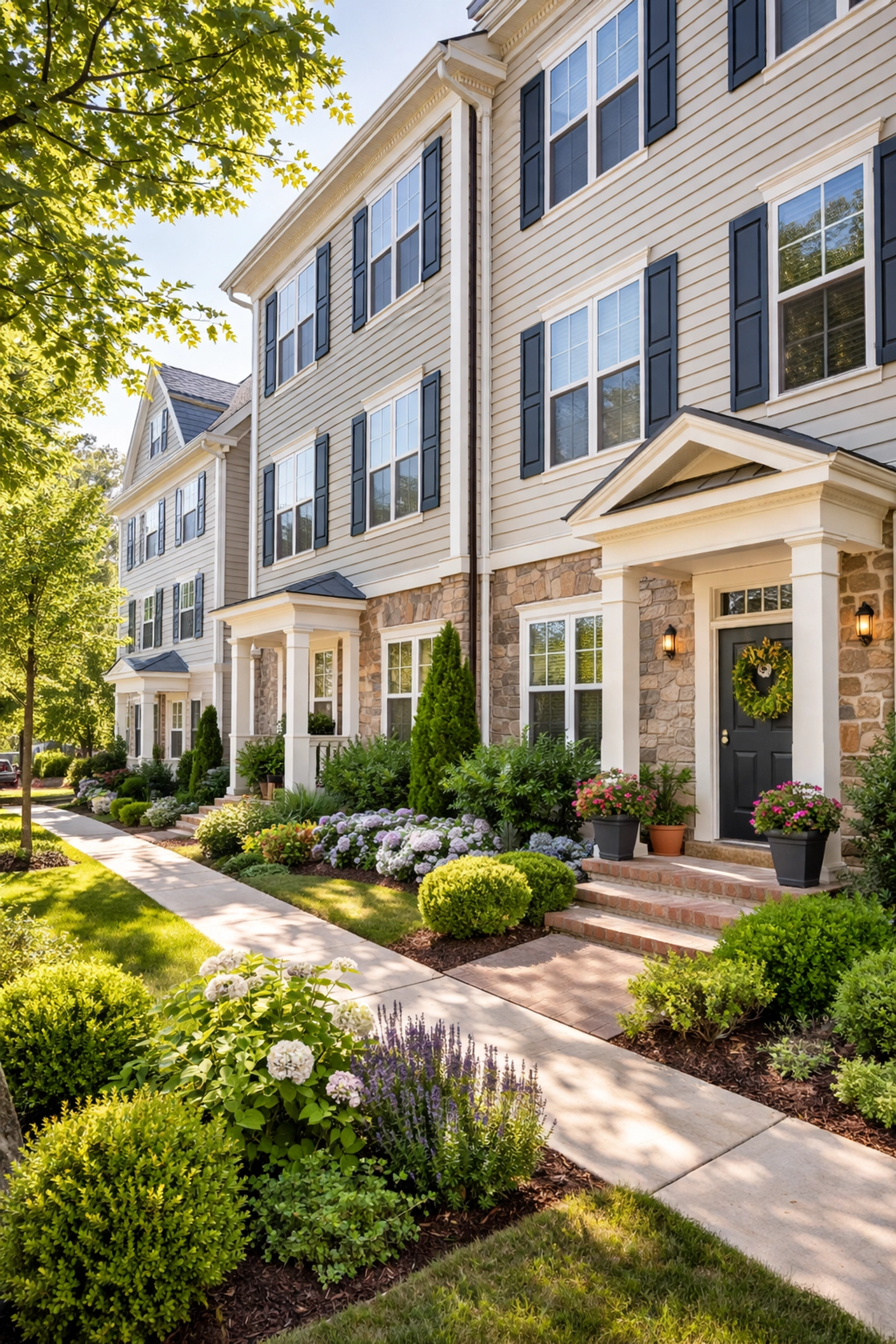
Sunny exterior of a modern townhome in a quiet, green Tri-Cities neighborhood, ideal for first-time homebuyers seeking value.

Property Types Worth Considering

Let's talk about what makes sense for first-time buyers in 2026.

Condos and Townhomes

For most first-time buyers, condos and townhomes are the entry point into ownership: and there's nothing wrong with that. In Burnaby, condos average around $600,000, while detached houses can easily exceed $1 million.

Beyond affordability, these property types typically require less maintenance. You won't be spending your weekends fixing gutters or mowing lawns. Instead, you'll be building equity while someone else handles the exterior upkeep.

What to Look For

When evaluating condos and townhomes:

  • Strata health: Review meeting minutes and financial statements
  • Special levies: Check for any upcoming major expenses
  • Rental restrictions: Important if you might need to rent it out later
  • Pet policies: If you have or want pets, verify the rules

Don't Overlook Older Buildings

Newer isn't always better. Older buildings often have larger floor plans, lower strata fees, and established landscaping. A well-maintained 1990s building can offer more value than a brand-new micro-suite in many cases.

Working With the Right Realtor

Here's something many first-time buyers don't realize: your realtor can make or break your home search.

A realtor who specializes in Burnaby and Tri-Cities real estate will have insight into neighbourhoods before properties hit major listing sites. They'll know which buildings have solid stratas, which streets flood in heavy rain, and which areas are about to see new transit connections.

Professional business portrait of a woman in a navy blazer and white blouse A polished and approachable image suitable for a real estate expert dedicated to guiding clients through buying, selling, and renovating homes in the Greater Vancouver area.

They can also help you navigate the negotiation process and identify opportunities that aren't obvious from online listings alone.

"Your realtor should feel like a partner in your home search, not just someone who opens doors and sends listings."

Your Action Plan

Ready to find your hidden gem? Here's your roadmap:

  1. Get pre-approved for a mortgage so you know your exact budget
  2. Create your must-have/nice-to-have lists to stay focused
  3. Research neighbourhoods beyond the obvious choices
  4. Set up alerts on Realtor.ca and REW for your target areas
  5. Connect with a local expert who knows Burnaby and the Tri-Cities inside out
  6. Be ready to act fast when you find the right property

The hidden gems are out there waiting. You just need to know where to look: and be ready when opportunity knocks.

Want personalized guidance on finding your first home in Burnaby or the Tri-Cities? Let's connect and start your home search together.

Read

How to Sell Your Vancouver Home for Top Dollar When Inventory Is Sky-High

Let's be honest, selling your Vancouver home right now isn't exactly a walk through Stanley Park. With transaction volumes running about 25% below the 10-year average and buyers having more leverage than they've had in years, it can feel like the deck is stacked against you.

But here's the thing: homes are still selling. And some are selling for top dollar. The difference? Strategy, preparation, and knowing exactly how to position your property in a crowded market.

If you're ready to sell your Vancouver home and want to maximize your return, this guide is for you.

Understanding What You're Up Against

Before we dive into tactics, let's look at what's actually happening in the market right now.

Vancouver's housing inventory has climbed significantly, giving buyers way more options than they've had in recent memory. The sales-to-new-listings ratio sat at just 83% in December, which puts us squarely in buyer's market territory. Home prices have declined about 4.5% year-over-year, though the pace of that decline is slowing.

But here's where it gets interesting: not all homes are struggling equally.

The bulk of that elevated inventory? It's largely made up of luxury properties and investor condos. Meanwhile, turn-key family homes in desirable condition are still seeing competition. Properties that need work, sit on busy streets, or lack outdoor space? Those are having a much harder time finding buyers.

What does this mean for you? If you can position your home as a standout, move-in-ready option, you're playing a completely different game than the rest of the market.

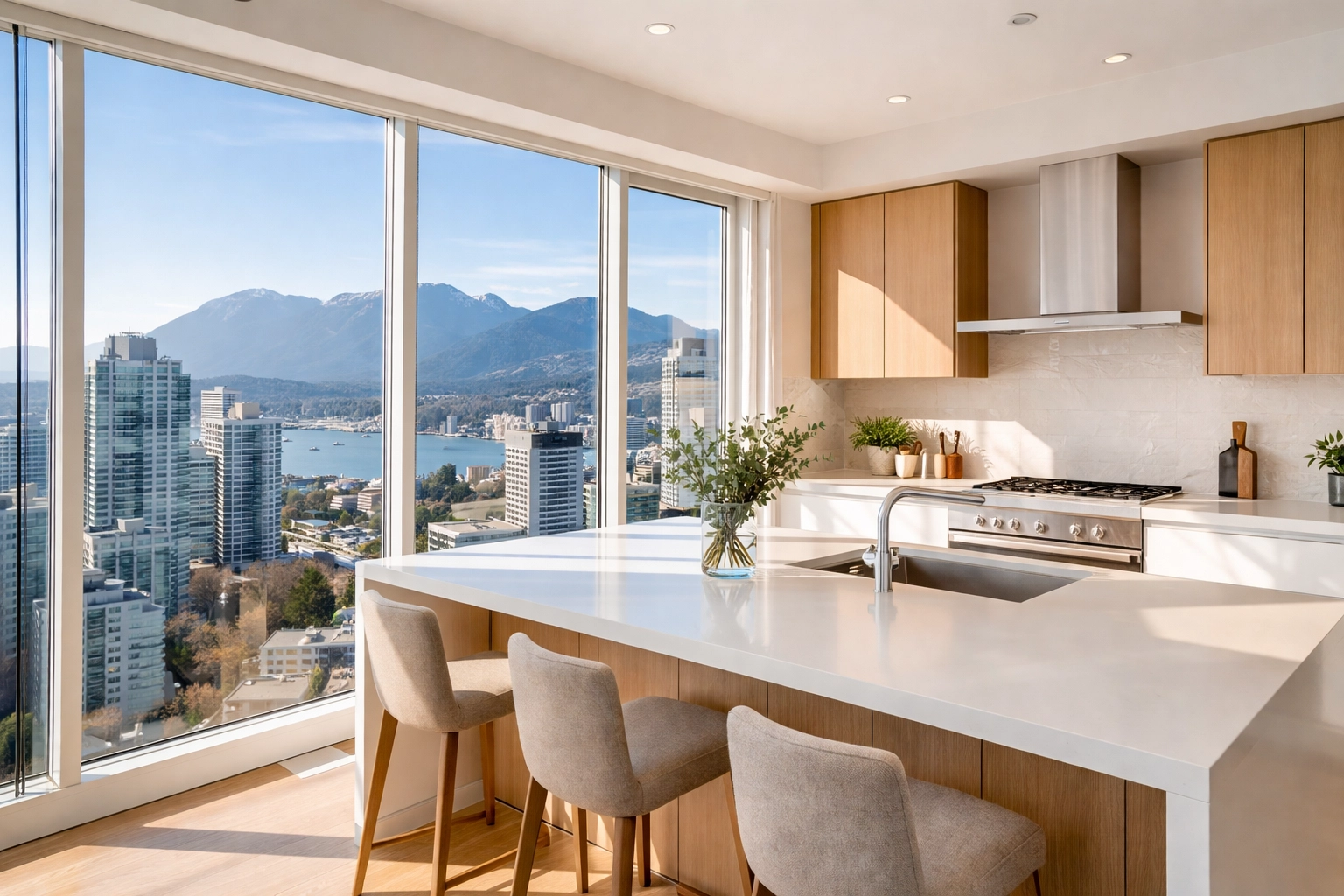
Modern Vancouver kitchen with mountain and city skyline view highlights desirable move-in-ready home.

Price It Right From Day One

I know, I know, everyone wants to list high and "see what happens." But in a market like this, that strategy can seriously backfire.

When inventory is abundant, buyers are comparison shopping like never before. They're looking at five, ten, maybe fifteen properties before making a decision. If your home is priced above comparable listings, it's not even making the shortlist.

Here's the real kicker: the longer your home sits on the market, the more negotiating power shifts to buyers. They start wondering, "What's wrong with it?" Even if nothing's wrong, that perception can cost you tens of thousands of dollars.

My advice? Work with a realtor who knows the neighbourhood inside and out. Get a comprehensive market analysis. Price competitively from the start, sometimes even slightly below market, to generate interest and potentially spark multiple offers.

Make Your Home the One They Can't Forget

When buyers are seeing property after property, you need yours to stick in their memory. And that starts the moment they walk through the door.

Staging Isn't Optional, It's Essential

In a slow market, staging isn't a luxury; it's a necessity. Professionally staged homes sell faster and often for more money because they help buyers emotionally connect with the space.

Think about it: buyers aren't just purchasing square footage. They're buying a lifestyle, a feeling, a vision of their future. Staging creates that vision for them.

A few staging basics that make a huge difference:

  • Declutter ruthlessly. Less is more. Pack away personal items, excess furniture, and anything that makes spaces feel cramped.
  • Neutralize the palette. Bold paint colours might reflect your personality, but they can be distracting to buyers. Stick to warm, neutral tones.
  • Maximize natural light. Open blinds, clean windows, and add mirrors to bounce light around.
  • Define every space. That awkward nook? Turn it into a reading corner. The spare room? Stage it as a home office.

If you're looking for guidance on design and staging, I offer services that can help transform your space before listing.

Professional business portrait of a woman in a navy blazer and white blouse A polished and approachable image suitable for a real estate expert dedicated to guiding clients through buying, selling, and renovating homes in the Greater Vancouver area.

Address the Small Stuff Before Buyers Notice

You might have learned to live with that dripping faucet or the scuffed baseboards, but buyers will notice. And they'll mentally subtract from their offer for every little issue they spot.

Before listing, do a walkthrough with fresh eyes (or better yet, have your realtor do it). Fix:

  • Leaky faucets and running toilets
  • Squeaky doors and sticky locks
  • Chipped paint and scuffed walls
  • Burnt-out light bulbs
  • Dirty grout and worn caulking

These fixes are inexpensive but signal to buyers that your home has been well-maintained.

Inspector tightening faucet in bright bathroom shows essential maintenance for selling Vancouver homes.

Marketing That Actually Gets Attention

In a high-inventory market, your listing needs to work overtime to stand out. Here's how to make that happen:

Professional Photography Is Non-Negotiable

This might be the single most important investment you make. The vast majority of buyers start their search online, and they're scrolling fast. If your photos don't stop them in their tracks, they're moving on.

Professional real estate photographers know how to:

  • Capture spaces in the best light
  • Use wide-angle lenses to show room proportions accurately
  • Highlight your home's best features
  • Edit for a polished, inviting look

Don't skimp here. Ever.

Video Tours and Virtual Walkthroughs

Especially for out-of-town buyers (and there are plenty in Vancouver), video content can be a game-changer. A well-produced video tour lets buyers experience the flow of your home before they even book a showing.

Compelling Listing Descriptions

Skip the generic "spacious living room" language. Instead, paint a picture:

"Imagine Sunday mornings in this sun-drenched kitchen, coffee in hand, watching the sunrise over the North Shore mountains."

Make buyers feel something.

Flexibility Wins in a Buyer's Market

When inventory is high, buyers have options, and leverage. Being flexible can make the difference between a sale and a stale listing.

Consider:

  • Offering a competitive completion date that works with the buyer's timeline
  • Being open to minor negotiations on price (but know your bottom line)
  • Including appliances or window coverings if it sweetens the deal
  • Accommodating showings, even at inconvenient times

The easier you make it for buyers to say yes, the more likely they will.

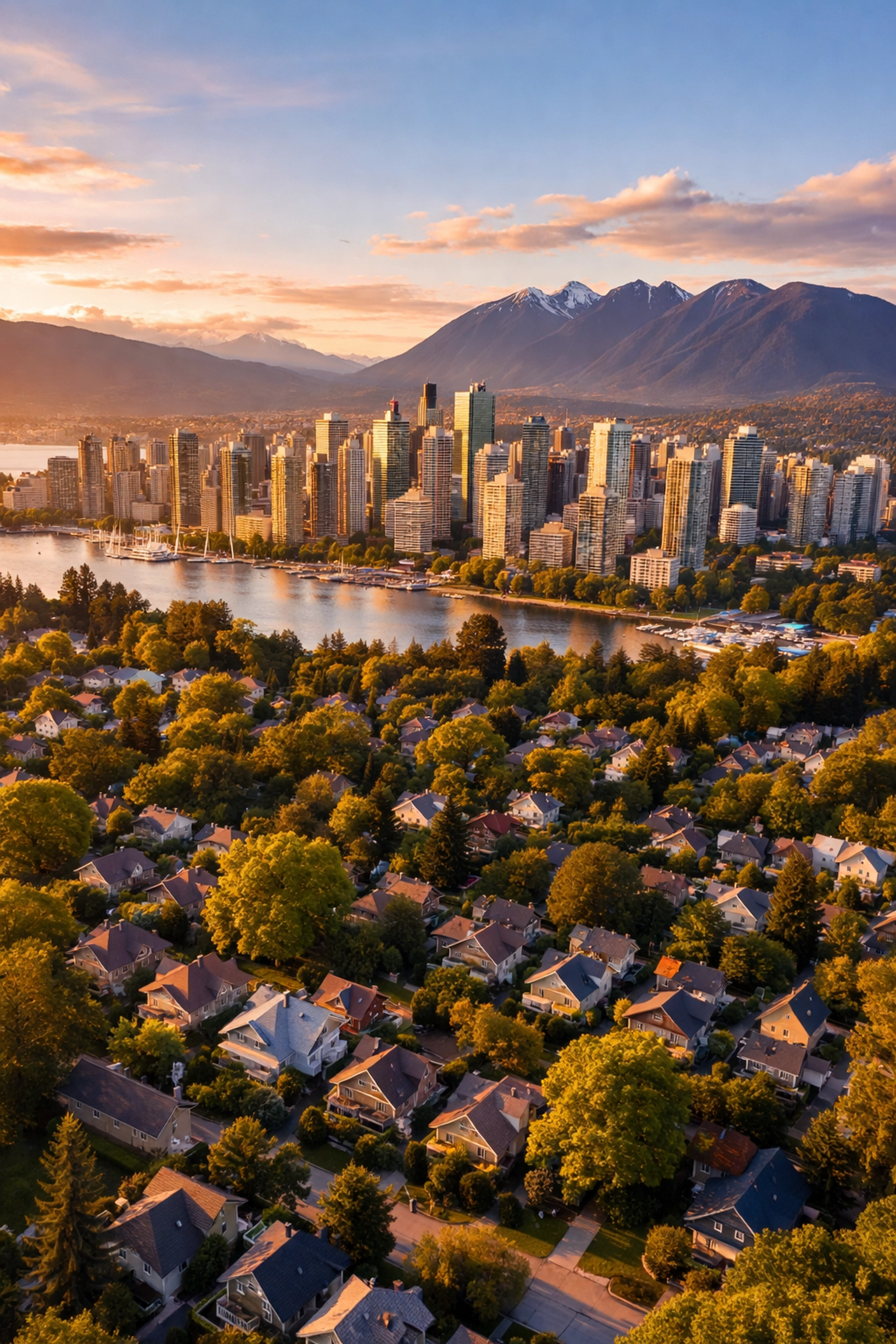
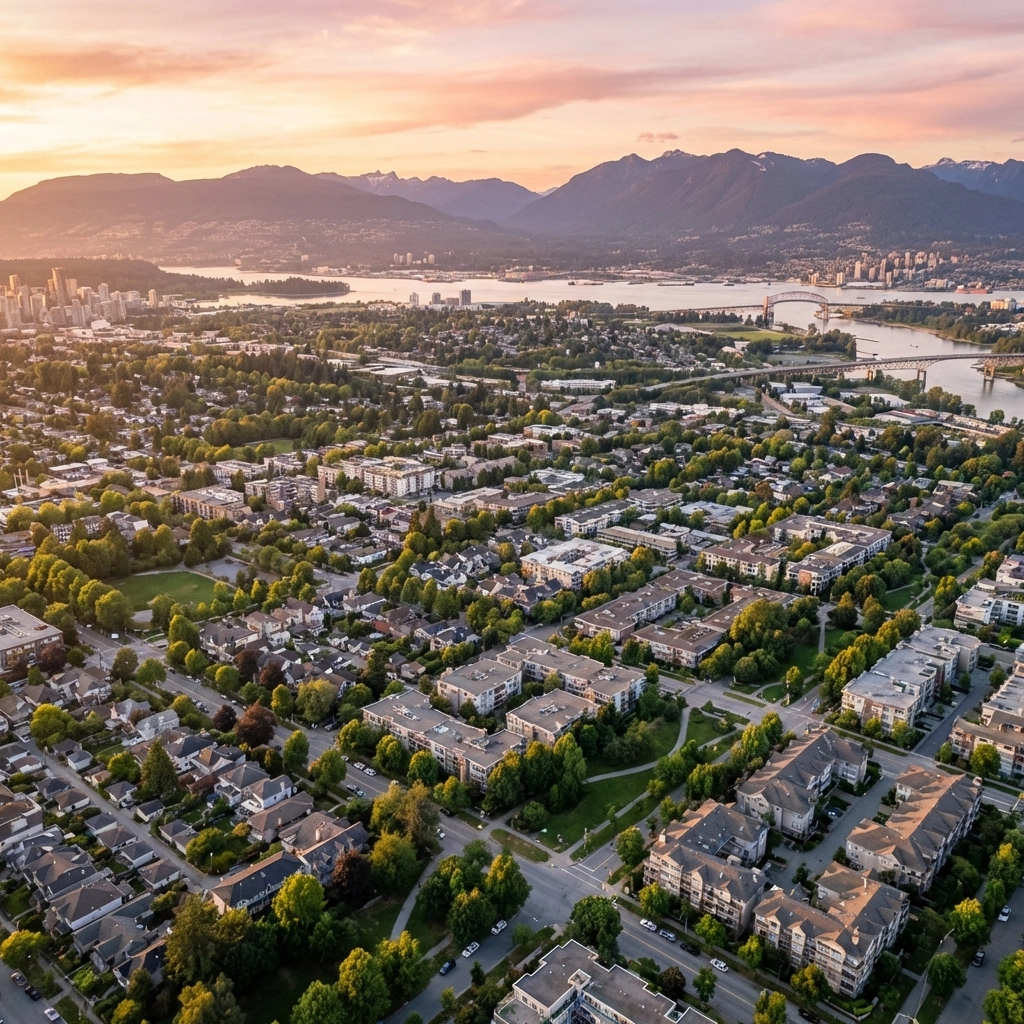
Aerial view of Vancouver neighborhoods and skyline, illustrating the local real estate market landscape.

Choose the Right Partner

Here's something I firmly believe: in a challenging market, who you work with matters more than ever.

You need someone who:

  • Has deep knowledge of your specific neighbourhood
  • Understands current market dynamics and pricing strategies
  • Has a robust marketing plan (not just listing on MLS and hoping for the best)
  • Will communicate with you honestly, even when the news isn't great
  • Knows how to negotiate effectively on your behalf

A good realtor isn't just a service provider, they're your strategic partner in getting the best possible outcome.

If you're curious about working together, feel free to learn more about my approach or check out what past clients have to say.

The Bottom Line

Yes, selling in Vancouver's current market requires more effort than it did a few years ago. But sellers who approach it strategically: with smart pricing, impeccable presentation, standout marketing, and the right professional support: are still achieving great results.

Here's your quick checklist:

  • Price competitively based on current market data
  • Stage your home to create emotional connection
  • Handle repairs before buyers find them
  • Invest in professional photography and marketing
  • Stay flexible with showings and negotiations
  • Partner with an experienced realtor who knows the market

The inventory might be sky-high, but that doesn't mean your sale has to suffer. With the right approach, your home can be the one that rises above the rest.

Ready to talk strategy? Let's connect and make it happen.

Read

Selling a House in Vancouver’s Slow Market: Your Quick-Start Guide to Standing Out

Let's be honest: selling a home in Vancouver right now isn't for the faint of heart. The market has shifted, buyers have more options than ever, and that "list it and forget it" approach? It just doesn't cut it anymore.

But here's the thing: homes are still selling. The difference between properties that sit and properties that move comes down to strategy, presentation, and smart positioning. If you're thinking about selling in this market, this guide will help you stand out from the crowd and get the results you're looking for.

The Reality of Vancouver's Current Market

Before we dive into strategies, let's talk about what we're actually dealing with here.

Vancouver's housing market has officially tipped into buyer territory. The average home price sits at $1,189,227: down 6.8% from last year and at a three-year low. December 2025 saw just 1,537 homes change hands, a 12.9% drop from the same time in 2024.

Meanwhile, active listings have climbed to 12,550, up 20% year-over-year. That means more competition for every buyer walking through your door.

Here's the number that really matters: the sales-to-active listings ratio is currently 12.7%. In real estate terms, that translates to roughly eight months of inventory: a clear buyer's market. In fact, 2025 recorded the lowest annual sales volume in over 25 years, while sellers brought a record 65,335 properties to market.

So what does this mean for you? Simple: you can't afford to be average. Your home needs to shine.

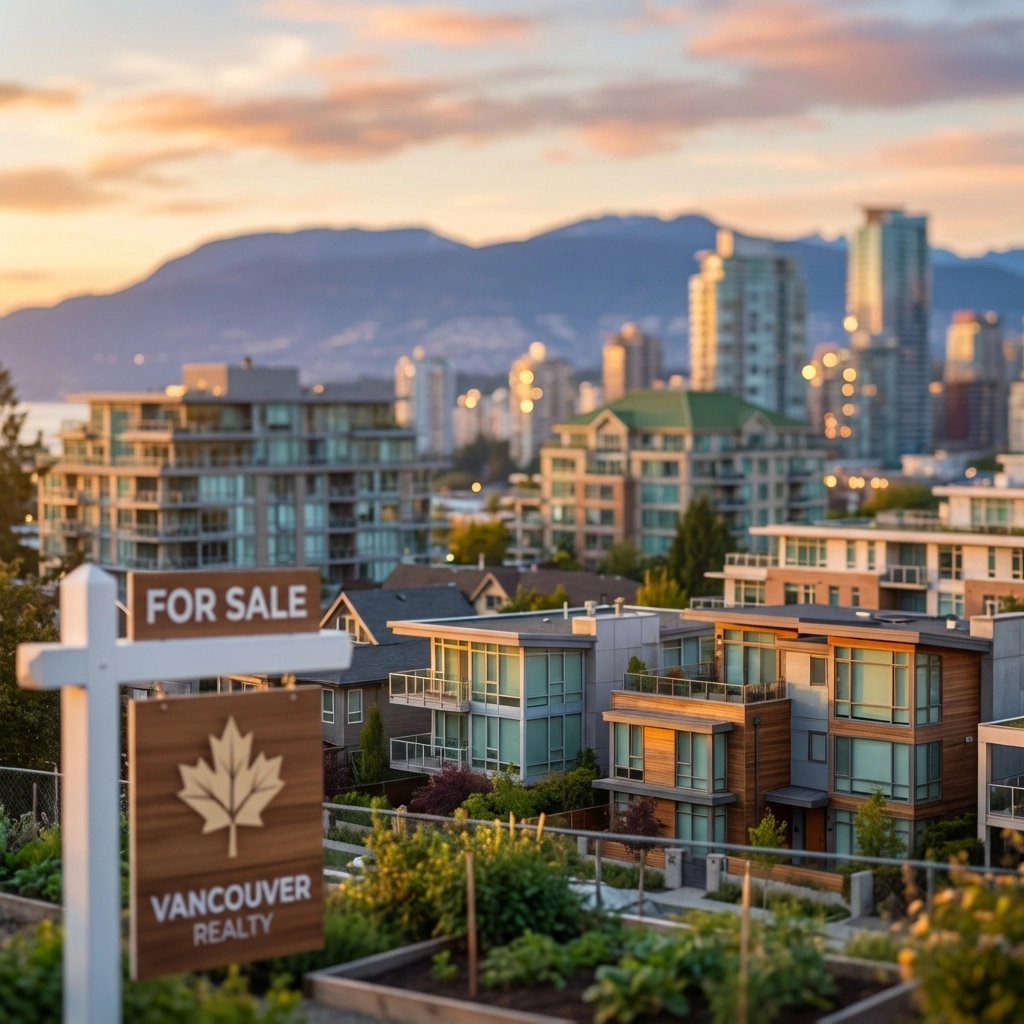
Vancouver residential homes and condos with for sale sign at sunset, illustrating a competitive real estate market.

Get Your Pricing Right (The First Time)

Nothing kills a listing faster than overpricing. I've seen it happen countless times: sellers want to "test the market" with a high price, thinking they can always drop it later.

Here's why that backfires: buyers today are savvy. They're watching the market, tracking price reductions, and they know when a home has been sitting. A listing that's been on the market for 60+ days with multiple price drops screams "something's wrong here" even when nothing is.

Your pricing strategy should consider:

  • Recent comparable sales in your specific neighborhood (not just your city)
  • Current active listings you're competing against
  • The condition and upgrades of your property versus the competition
  • Market trends in your area over the past 90 days

In a buyer's market, pricing slightly below market value can actually generate more interest and potentially multiple offers. It sounds counterintuitive, but creating urgency often leads to better outcomes than waiting months for the "right" buyer.

"In today's market, the first two weeks are critical. That's when you get the most eyes on your property, and your price needs to be right from day one." : National Association of Realtors

Make Your Home Impossible to Forget

When buyers are looking at dozens of properties, yours needs to stick in their memory. This is where home staging and design become your secret weapons.

Declutter Like You Mean It

I'm not talking about tidying up. I'm talking about removing 30-50% of your belongings. That extra furniture, those family photos covering every surface, the collections you've accumulated over the years: they need to go into storage.

Buyers want to envision their life in your space, and that's nearly impossible when your life is everywhere they look.

Bright staged living room with professional stager adjusting decor, showing decluttering and home appeal tips.

Stage for Today's Buyer

Professional staging isn't just about making things look pretty. It's about:

  • Creating flow that makes rooms feel larger
  • Highlighting your home's best architectural features
  • Using neutral, modern touches that appeal to the broadest audience
  • Making spaces feel warm and inviting without being cluttered

In a slow market, staged homes consistently sell faster and for more money. It's one of the best investments you can make before listing.

Don't Skip the Deep Clean

This sounds obvious, but you'd be surprised. Every surface needs to sparkle. Windows, baseboards, light fixtures, inside cabinets: buyers open everything. They notice everything. A home that smells fresh and looks immaculate tells buyers it's been well-maintained.

Your Marketing Needs to Work Overtime

Gone are the days when a few photos and an MLS listing were enough. In today's market, your marketing strategy needs to be comprehensive and compelling.

Professional Photography Is Non-Negotiable

Your listing photos are your first impression for 95% of buyers. Dark, blurry, or poorly composed photos will get your listing scrolled right past: no matter how beautiful your home actually is.

Professional real estate photographers know how to:

  • Capture rooms at the best angles
  • Use lighting to make spaces feel bright and airy
  • Highlight features that buyers care about
  • Create that emotional connection before buyers ever step inside
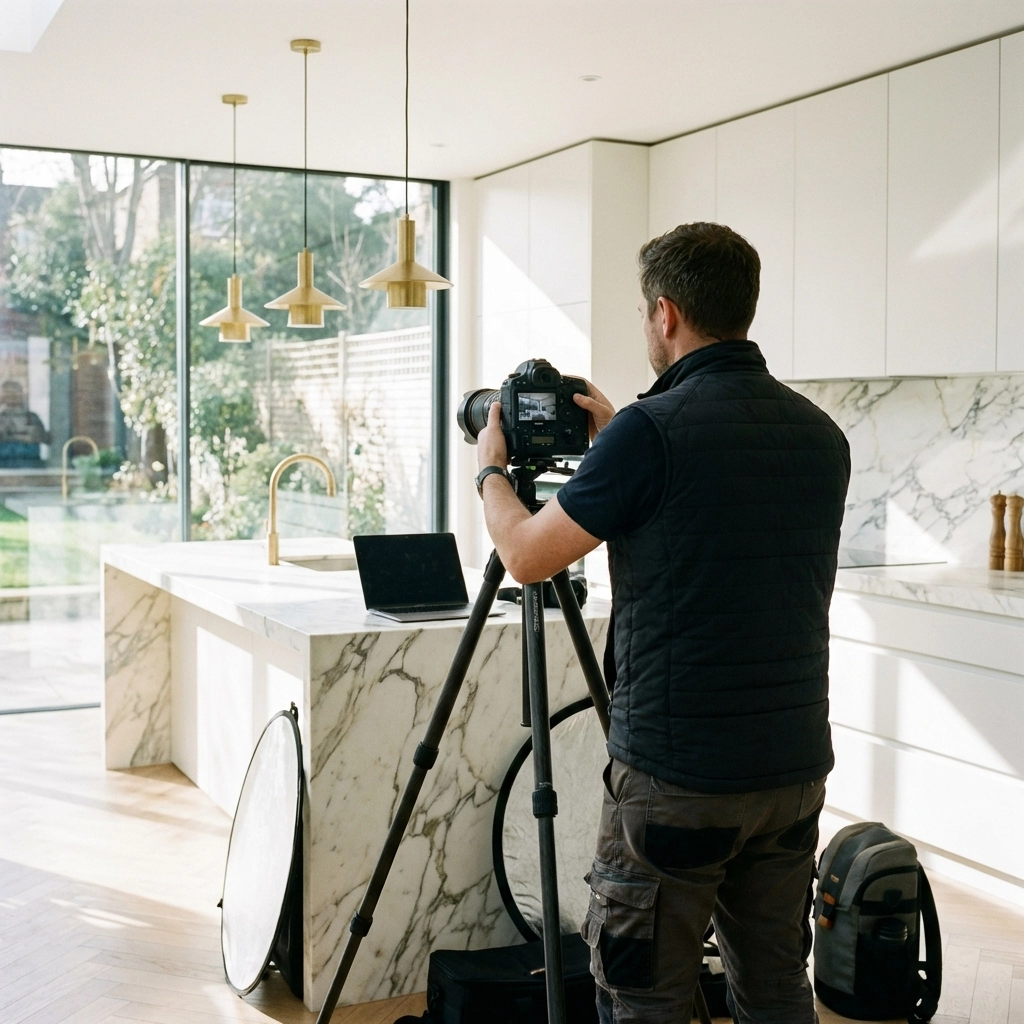
Real estate photographer capturing a modern kitchen, highlighting the importance of professional home photography.

Go Beyond Basic Listings

Consider these additional marketing tools:

  • Video walkthroughs that give buyers a real feel for the flow
  • 3D virtual tours for out-of-town buyers
  • Drone footage if your property has impressive outdoor space or views
  • Targeted social media campaigns reaching buyers actively looking in your area
  • Feature sheets that tell your home's story

Craft a Compelling Narrative

Every home has a story. Maybe it's the morning light in the kitchen, the established garden that took years to perfect, or the neighborhood where everyone knows your name. Your listing description should paint a picture of what it's like to live there: not just list square footage and bedroom counts.

Work With Someone Who Gets It

Look, I'm biased here, but working with the right real estate professional makes an enormous difference in a challenging market. You need someone who:

  • Knows your specific neighborhood inside and out
  • Has a proven marketing strategy (not just "we'll put it on MLS")
  • Can provide honest feedback about pricing and presentation
  • Has strong negotiation skills to protect your interests
  • Communicates proactively throughout the process

A great agent will tell you what you need to hear, not just what you want to hear. That honest feedback: even when it stings a little: is what gets homes sold.

Check out client testimonials to see what others have experienced, and don't be afraid to ask tough questions during your listing presentation.

Small Upgrades That Make a Big Impact

You don't need a full renovation to make your home more appealing. Focus on high-impact, low-cost improvements:

  • Fresh paint in modern, neutral colors
  • Updated light fixtures and hardware
  • New faucets in kitchens and bathrooms
  • Refreshed landscaping and curb appeal
  • Minor repairs you've been putting off

These small touches signal to buyers that your home is move-in ready: something that's especially important when buyers have so many options.

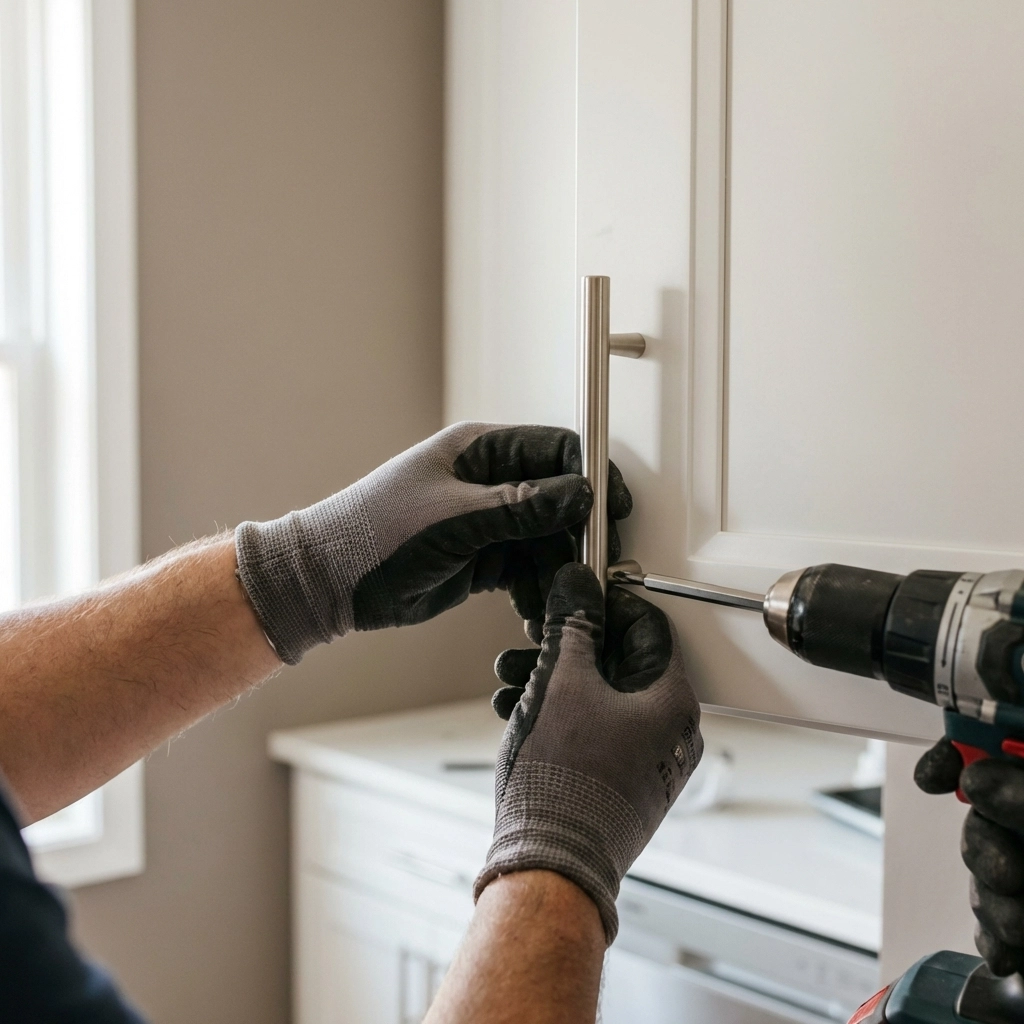
Close-up of new cabinet hardware being installed on white cabinetry, showing simple home upgrades for selling.

The Bottom Line

Selling in Vancouver's current market requires more effort, more strategy, and more attention to detail than the hot markets of years past. But homes are still selling every day: it just takes the right approach.

Here's your quick-start checklist:

  • Price competitively from day one
  • Declutter and stage professionally
  • Invest in high-quality photography and marketing
  • Make those small repairs and updates
  • Partner with an experienced local agent

The sellers who succeed right now are the ones who recognize the market has changed and adjust accordingly. With the right preparation and team behind you, your home can absolutely stand out: even in a slower market.

Ready to talk strategy for your specific situation? Let's connect and create a plan that works for your home and your goals.

Read

Is 2026 the Best Time to Buy in Greater Vancouver? Here’s the Truth

If you've been sitting on the sidelines of Greater Vancouver's real estate market, you're probably wondering: is 2026 finally the year to make a move? With all the headlines about shifting markets and changing conditions, it's a fair question.

Here's the honest answer: it depends. But before you roll your eyes at that response, stick with me. I'm going to break down exactly what's happening in our market right now, what the experts are predicting, and most importantly, how to figure out if this is your best time to buy.

The Current State of Greater Vancouver's Market

Let's get straight to it: Greater Vancouver is currently operating as a buyer's market. That's a significant shift from what we've seen in recent years, and it's creating some real opportunities.

Here's what the numbers look like heading into 2026:

  • Active listings: 12,550 homes on the market in December 2025: that's 20% higher than the previous year
  • Sales volume: Only 1,537 homes sold in December 2025, down 12.9% year-over-year
  • Average home price: $1,189,227 in Greater Vancouver, representing a 6.8% annual decline

What does this mean for you? More homes to choose from, less competition from other buyers, and more room to negotiate. That's a pretty significant change from the frantic bidding wars we've seen in past years.

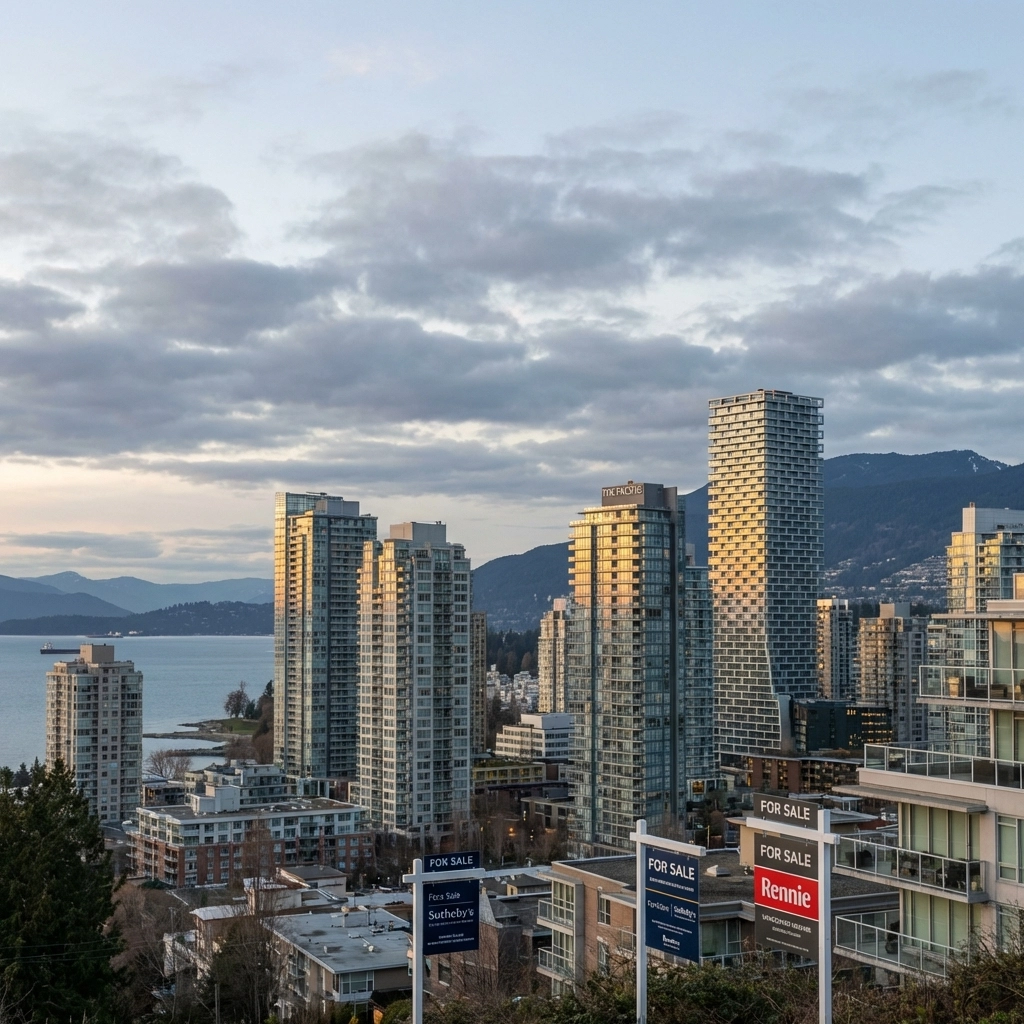
Aerial view of Greater Vancouver skyline and neighborhoods, highlighting real estate opportunities in 2026 buyer's market.

Why Buyers Have the Upper Hand Right Now

I won't sugarcoat it: if you're a buyer in Greater Vancouver right now, you're in a favorable position. Here's why:

Inventory is at multi-year highs. There are simply more homes available than we've seen in a long time. This means you're not limited to whatever happens to pop up on the market. You can actually take your time, compare options, and find something that truly fits your needs.

Competition is lower. With sales at multi-year lows, you're not fighting against a dozen other buyers for every decent property. That pressure to make snap decisions and throw in unconditional offers? It's significantly reduced.

Sellers are more flexible. When homes are sitting longer on the market, sellers become more willing to negotiate on price, closing dates, and conditions. That leverage is valuable.

"The current market conditions in Greater Vancouver offer buyers more selection and negotiating power than they've had in years."

The Condo Market: A Buyer's Paradise

If you're looking at condos specifically, the market is even more tilted in your favor. Condo inventory is particularly high relative to demand right now, creating what experts describe as a "solidly buyer-favorable environment."

The benchmark apartment price dropped approximately $5,000 in just one month heading into 2026, reflecting softer demand. For first-time buyers or investors, this creates some interesting opportunities:

  • More units to choose from across different neighborhoods
  • Price negotiations are common and expected
  • Less urgency means you can take time to do proper due diligence

If you've been priced out of the condo market in previous years, now might be the time to explore your buying options.

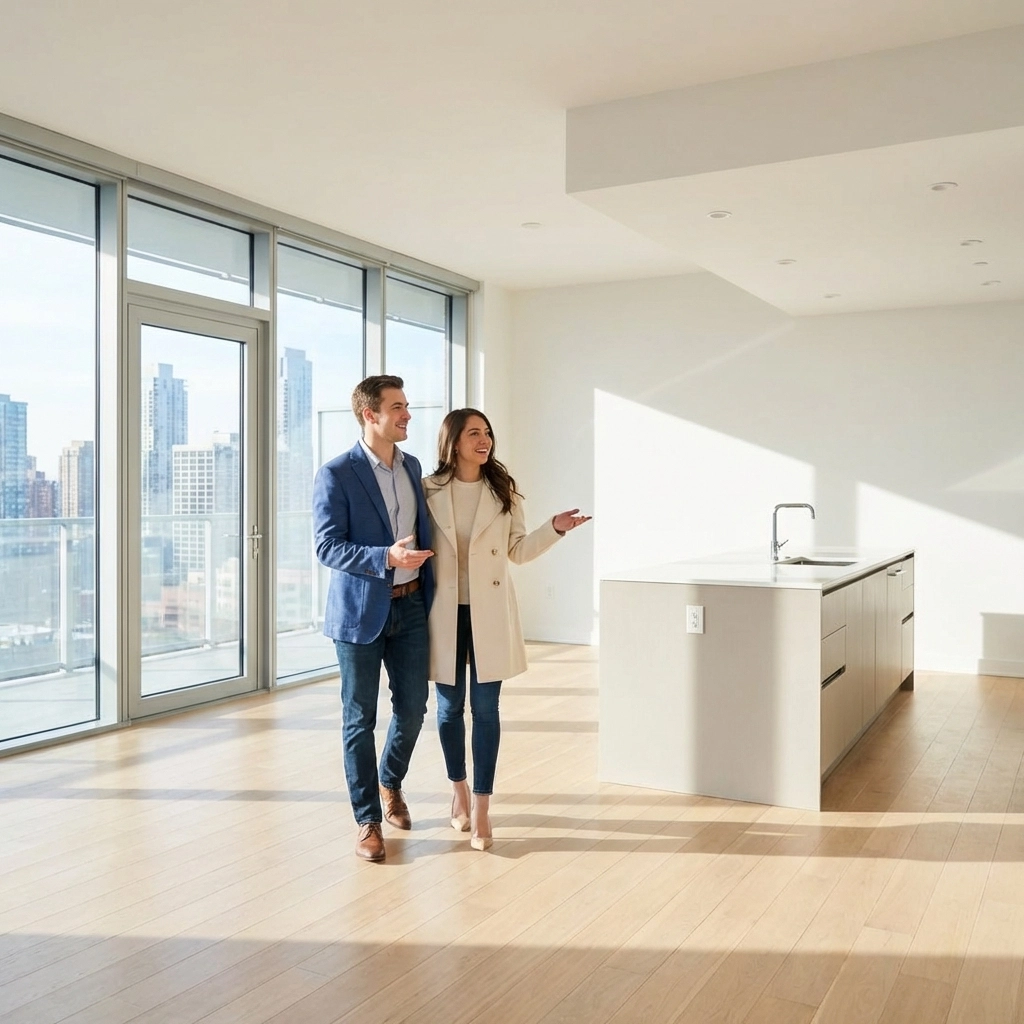
Young couple touring a modern Vancouver condo, representing condo market advantages for buyers in 2026.

What Are the Experts Predicting for 2026?

Here's where it gets interesting. While current conditions favor buyers, the forecasts for the rest of 2026 suggest we might not see dramatically lower prices ahead.

Royal LePage projects that aggregate Greater Vancouver home prices could fall about 3.5% over 2026, with detached houses potentially dropping around 5%.

CMHC (Canada Mortgage and Housing Corporation) projects "marginal growth in sales and prices in 2026": essentially forecasting a largely flat or sideways market.

What does this tell us? The significant price corrections may have already happened through late 2024 and 2025. If you're waiting for prices to crash another 20%, that's probably not in the cards based on current projections.

Should You Buy Now or Wait?

This is the million-dollar question (literally, given Vancouver prices). Here's my honest take:

Consider buying now if:

  • You've found a property that meets your needs
  • You're financially ready (pre-approved, down payment saved, comfortable with monthly payments)
  • You want to take advantage of current negotiating leverage
  • You're planning to stay in the property for at least 5-7 years

Consider waiting if:

  • You're not financially ready: rushing into homeownership before you're prepared never ends well
  • You need to sell your current home first and want to see how the market evolves
  • You're hoping for a specific neighborhood or property type that isn't available right now

Use our mortgage calculator to get a realistic sense of what you can afford before making any decisions.

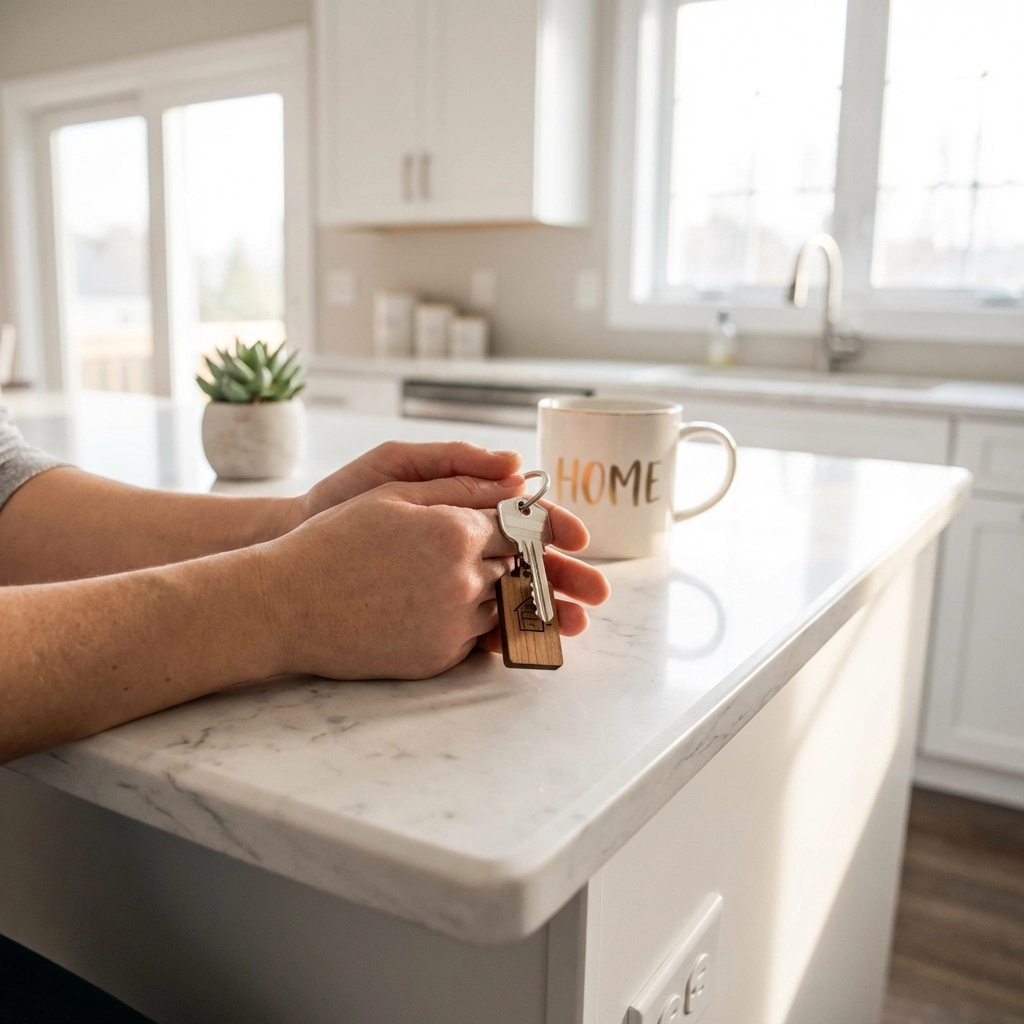
Closeup of hands holding a house key in a bright Vancouver kitchen, symbolizing successful home buying in 2026.

The "Perfect Time" Myth

Here's something I tell all my clients: trying to time the market perfectly is nearly impossible. Even the experts get it wrong regularly.

What matters more than buying at the absolute bottom of the market is:

  1. Buying within your means : A home you can comfortably afford will always be a better investment than one that stretches you too thin
  2. Buying for the long term : Real estate isn't a get-rich-quick scheme. If you're planning to hold for 7+ years, short-term market fluctuations matter less
  3. Buying what you actually need : The "best deal" on a home that doesn't work for your lifestyle isn't actually a good deal

"The best time to buy isn't about market conditions: it's about your personal readiness and finding a home that works for your life."

Practical Tips for Buying in 2026's Market

If you've decided this is your year, here's how to make the most of current conditions:

  • Get pre-approved first. Knowing exactly what you can afford gives you confidence and shows sellers you're serious.
  • Don't rush. The urgency of past markets isn't there right now. Take time to view multiple properties and compare.
  • Negotiate. Sellers expect it in this market. Don't be afraid to ask for a better price or favorable conditions.
  • Do your inspections. With less pressure to waive conditions, make sure you're getting proper inspections done.
  • Work with someone who knows the local market. Neighborhood-specific knowledge matters enormously in Greater Vancouver.

Ready to start exploring? Check out current listings to see what's available.

The Bottom Line

Is 2026 the best time to buy in Greater Vancouver? For buyers who are financially ready and planning to hold long-term, current conditions are genuinely favorable. You have more selection, less competition, and real negotiating power.

But "the best time" is always relative to your personal situation. The market doesn't care about your timeline: you need to make decisions based on what works for your life, your finances, and your goals.

What I can tell you with confidence: if you've been waiting for a buyer's market in Greater Vancouver, you're in one right now. Whether that makes it your best time to buy is a conversation worth having.

Let's chat about your options: I'm always happy to help you figure out what makes sense for your situation.

Read

Does Home Staging Really Matter in 2026? Here's the Truth for Greater Vancouver Sellers

If you're thinking about selling your home in Greater Vancouver this year, you've probably asked yourself: "Do I really need to stage my home?" It's a fair question, especially when you're already juggling moving logistics, paperwork, and the emotional weight of leaving a place you've called home.

Let me cut straight to it: staging can absolutely make a difference, but it's not a one-size-fits-all answer. The truth is a bit more nuanced than the usual "yes, always stage!" advice you'll find online. Let's break down what actually matters for Vancouver sellers in 2026.

What's Happening in the Greater Vancouver Market Right Now?

Before we talk staging, let's set the scene. The 2026 real estate market in Greater Vancouver is... let's just say, interesting. Coming off what was a 20-year low in home sales during 2025, with prices trending downward in many areas, sellers are facing a more competitive landscape than we've seen in recent years.

What does this mean for you? Buyers have more options. They're pickier. They're taking their time. And that means every advantage you can get, from pricing to presentation, counts more than ever.

This is exactly where staging enters the conversation.

The Real Benefits of Home Staging

Here's what we know: well-staged homes typically sell faster and often command higher prices compared to unstaged properties. But why?

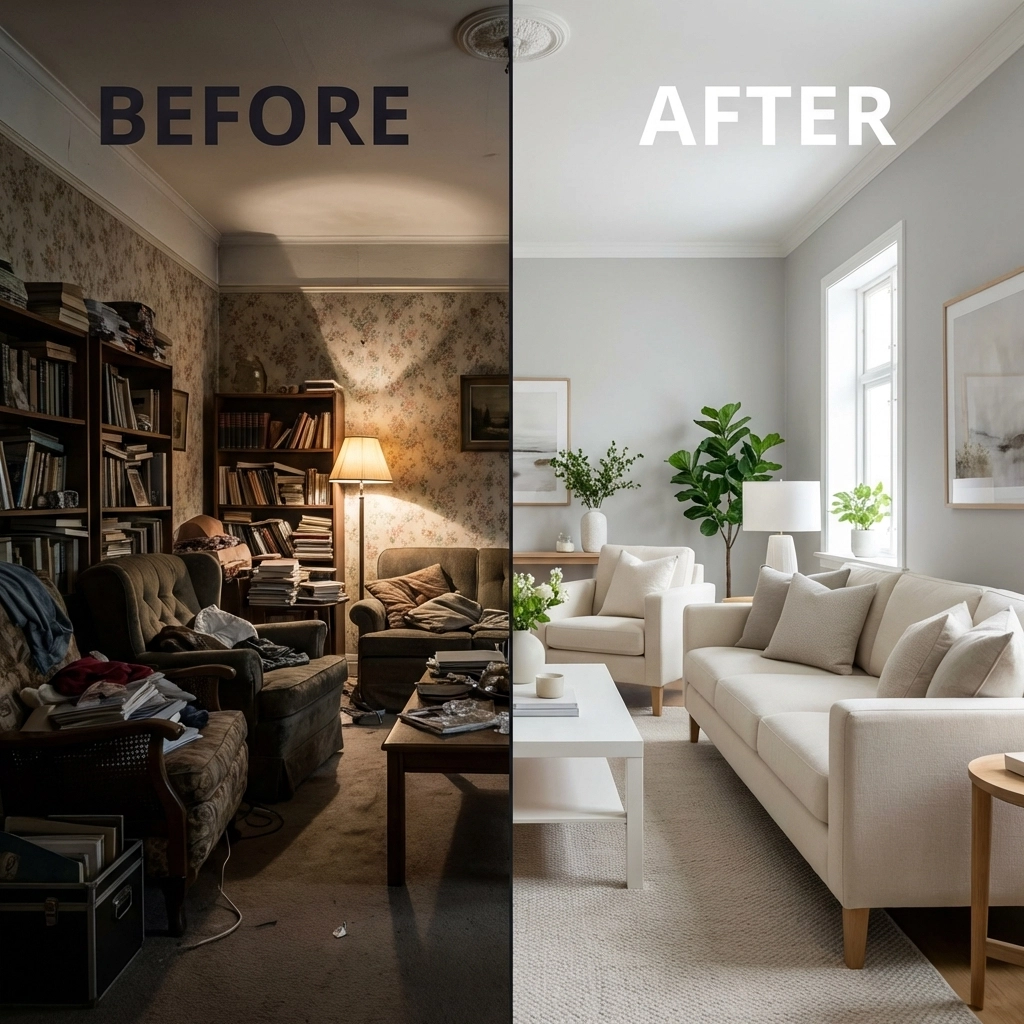
image_1

It comes down to psychology. When buyers walk into a staged home, they're not just seeing walls, floors, and fixtures. They're imagining their life there, morning coffee in that sunlit kitchen, family dinners in that dining room, cozy evenings by the fireplace.

Staging removes the mental work for buyers. Instead of trying to visualize potential, they see it right in front of them. And in a market where buyers have plenty of choices, that emotional connection can be the difference between an offer and a "we'll think about it."

Key benefits of staging include:

  • Faster sales timeline
  • Potential for multiple offers
  • Reduced buyer objections
  • Better online listing photos (critical in today's digital-first market)
  • Stronger first impressions during showings

For luxury properties, think West Vancouver, Shaughnessy, or waterfront North Vancouver homes, staging becomes even more important. High-end staging creates an aspirational atmosphere that justifies premium pricing and helps your property stand out against other luxury listings.

The Cost Reality: What You'll Actually Spend

Now let's talk money, because staging isn't free. Here's what you can expect to invest in Greater Vancouver:

Type of Staging Approximate Cost
Consultation only Under $1,000
Occupied home staging $1,500 - $3,500
Partial staging Varies (less than full-service)
Full-service staging $6,000 - $10,000 (for a 4-bedroom)
Average Vancouver staging $2,000 - $5,000

The range is wide because every home is different. A downtown condo needs a different approach than a detached family home in Burnaby or a heritage property in New Westminster.

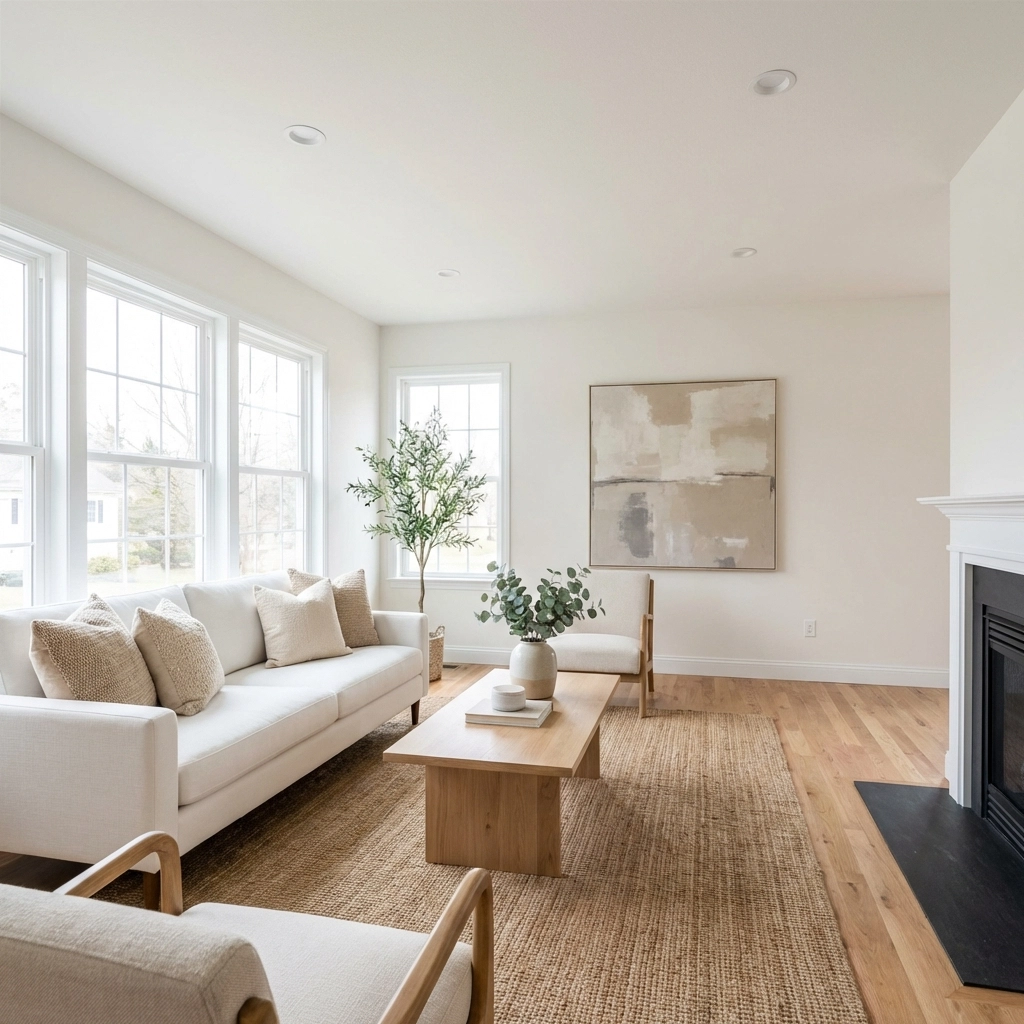
image_2

Consultation-only staging is a smart option if you're on a tighter budget. You'll get professional guidance on what to change, furniture placement, decluttering priorities, paint touch-ups, and then implement the changes yourself. It's affordable and can still make a meaningful impact.

Occupied home staging works well when you're still living in the home. A stager will work with your existing furniture and add accent pieces to elevate the space.

Full-service staging is the premium option, where professionals bring in furniture, art, décor, and accessories to transform an empty or dated space into something that photographs beautifully and wows in person.

When Staging Is Worth Every Dollar

Staging isn't always necessary, but there are situations where it's absolutely worth the investment:

1. Your Home Lacks Modern Appeal

If your home hasn't been updated in a while, staging can help mask dated features and draw attention to the positives. Think of it as strategic distraction, buyers focus on the beautiful furniture arrangement rather than the 1990s light fixtures.

2. You're Selling a Luxury Property

In the luxury market, expectations are higher. Buyers at this price point want to see a lifestyle, not just a house. Professional staging creates that aspirational feeling that makes buyers willing to pay a premium.

3. The Market Is Slow

In a buyer's market like we're seeing in parts of Greater Vancouver right now, you need every edge. Staging helps your listing stand out in a sea of options and can reduce time on market, which matters when every extra week costs you carrying costs.

4. Your Home Is Vacant

Empty homes feel cold and impersonal. Without furniture for scale, rooms can look smaller (or awkwardly large). Staging an empty home helps buyers understand the space and creates warmth that empty rooms simply can't achieve.

When You Might Skip the Full Staging Treatment

Here's some real talk: staging isn't a magic wand, and it's not always the best use of your money.

"As long as the property is well-maintained, staging is unlikely to significantly impact the sale price in a way that justifies the cost."

If your home is already in excellent condition, modern finishes, neutral colors, uncluttered spaces, you may get better returns by focusing on competitive pricing and professional marketing instead of a substantial staging investment.

Consider skipping full staging if:

  • Your home is already move-in ready with contemporary appeal
  • You have a strong sense of design and can DIY basic staging
  • Your budget is better spent on minor repairs or updates
  • You're in a hot seller's market with multiple offers expected

In these cases, a consultation-only approach or a deep clean and declutter might be all you need.

Practical Tips If You're on the Fence

Not sure which direction to go? Here's my advice:

  1. Get a professional opinion first. Most stagers offer consultations. Spend the few hundred dollars to understand what your specific home needs.

  2. Prioritize the key areas. If full staging isn't in your budget, focus on the living room, kitchen, and primary bedroom. These are the spaces buyers care about most.

  3. Don't underestimate decluttering. Sometimes the best "staging" is simply removing excess furniture, personal photos, and clutter. Less is often more.

  4. Invest in professional photography. No matter what level of staging you choose, professional photos are non-negotiable in 2026. Most buyers see your home online first, make that first impression count.

  5. Think about your competition. Check out other listings in your neighborhood. If they're all beautifully staged, you'll want to match that standard.

The Bottom Line

Does home staging matter in 2026? For many Greater Vancouver sellers, yes: especially in today's more challenging market. But the key is being strategic about it.

If your home needs help showing its best self, staging can accelerate your sale and potentially boost your final price. If your home is already in great shape, you might get by with lighter touches and save your staging budget for other priorities.

The smartest approach? Work with a real estate professional who understands both staging and the local market. They can help you make the right call based on your specific situation, neighborhood, and goals.

Thinking about selling in Greater Vancouver and wondering where to start? Let's chat about your home and what strategy makes the most sense for you.

Read

Warm, Cozy, Natural: 5 Design Trends That Help Vancouver Homes Sell Faster in 2026

If you're planning to sell your Vancouver home in 2026, here's something you need to know: today's buyers aren't just looking for square footage and good bones. They're searching for a feeling. And that feeling? It's warm, cozy, and deeply connected to nature.

The design trends dominating this year reflect a major shift in what people want from their living spaces. After years of cool minimalism and stark interiors, buyers are craving authenticity, comfort, and spaces that actually make them feel good. The great news is that tapping into these trends doesn't require a complete renovation: sometimes, it's about making strategic updates that speak directly to what buyers are looking for.

Let's dive into the five design trends helping Vancouver homes fly off the market in 2026.

1. Warm, Rich Wood Finishes

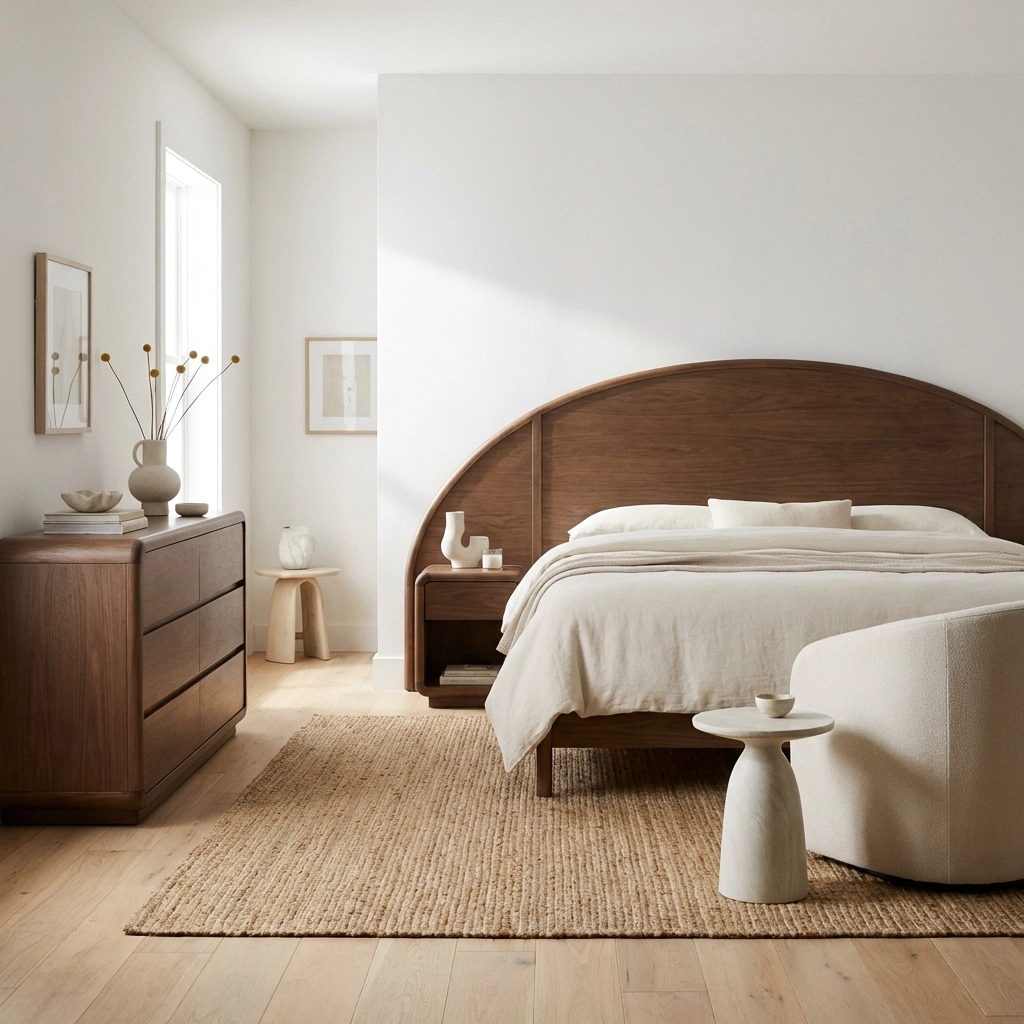
Say goodbye to cool-toned woods like ash grey and whitewashed oak. In 2026, the pendulum has swung firmly in the other direction. Buyers are drawn to deep walnut, caramel, honey, and smoked brown finishes that bring instant warmth and sophistication to any room.

These rich wood tones create a sense of timeless luxury without feeling stuffy or dated. They work especially well in bedrooms, dining rooms, and living spaces: anywhere buyers want to imagine themselves relaxing and unwinding.

Why does this matter for selling? Warm wood finishes make spaces feel grounded and inviting from the moment someone walks through the door. They photograph beautifully for listings, and they appeal to a wide range of buyers across different age groups and style preferences.

Quick tip: If your home has dated light oak or grey-toned wood elements, consider refinishing or replacing key pieces like dining tables, bedroom furniture, or floating shelves with warmer alternatives. Even small changes can shift the entire energy of a room.

image_1

2. Curved, Sculptural Furniture

Here's a trend that's taken the design world by storm: curves are in, and sharp edges are out.

We're seeing a 180-degree shift away from Scandinavian minimalism toward furniture with soft, sculptural silhouettes. Think curved wooden headboards, rounded dresser edges, gently arched sofas, and tables with softly sculpted legs. These organic shapes create spaces that feel calm, sophisticated, and undeniably cozy.

This isn't about going full retro or embracing anything too bold: it's about softening the feel of a home. Curved furniture naturally draws the eye and creates visual flow, making rooms feel more spacious and harmonious.

For sellers, incorporating even one or two curved pieces during staging can completely transform how a space feels to potential buyers. It signals that the home is current, thoughtfully designed, and ready for comfortable living.

3. Natural Textures and Visible Grain

In 2026, perfection is out. Authenticity is in.

Buyers are gravitating toward natural textures and visible wood grain that showcase the real character of materials. Rather than perfectly uniform, factory-finished surfaces, people want pieces that feel handcrafted and genuine.

This trend extends beyond furniture to include:

  • Limewashed plaster walls with subtle texture
  • Unlacquered metals that develop a patina over time
  • Handwoven textiles like linen, wool, and jute
  • Stone surfaces with natural variations
  • Solid wood with knots, grain patterns, and authentic character

The appeal here is emotional. These materials feel honest and real in a world that's increasingly digital and artificial. They also age beautifully, which resonates with buyers looking for quality over disposable trends.

image_2

When preparing your home for sale, lean into natural imperfection. Layer textured throws on sofas, swap out shiny hardware for matte or brushed finishes, and let your wood surfaces show their authentic grain.

4. Flexible, Multipurpose Spaces

Here's what today's buyers have figured out: they want every square foot of their home to work hard for them.

The days of single-purpose rooms are fading fast. In 2026, flexible, multipurpose spaces are a major selling point. Buyers are actively looking for homes where rooms can adapt to different needs throughout the day: or throughout different life stages.

This trend shows up in creative ways:

  • A living room nook transformed into a cozy reading corner
  • A spare bedroom that doubles as a home office and guest room
  • Dining areas with built-in workspace potential
  • Wellness-focused zones like meditation corners or compact home gyms
  • Game tables and entertainment areas that serve multiple functions

There's also growing interest in device-free zones: spaces designed specifically for unplugging and connecting with family. Buyers want to see that a home supports balance and intentional living, not just endless screen time.

When staging your home, think about how you can showcase flexibility. A simple bench with storage, a well-placed desk, or a comfortable reading chair can help buyers envision how they'd actually use the space.

5. Biophilic Design and Natural Elements

If there's one overarching theme connecting all of these trends, it's this: nature is the ultimate design inspiration in 2026.

Biophilic design: the practice of incorporating natural elements into interior spaces: has moved from niche concept to mainstream expectation. Buyers want homes that blur the line between indoors and outdoors, creating environments that feel calming, healthy, and connected to the natural world.

image_3

Key elements of biophilic design include:

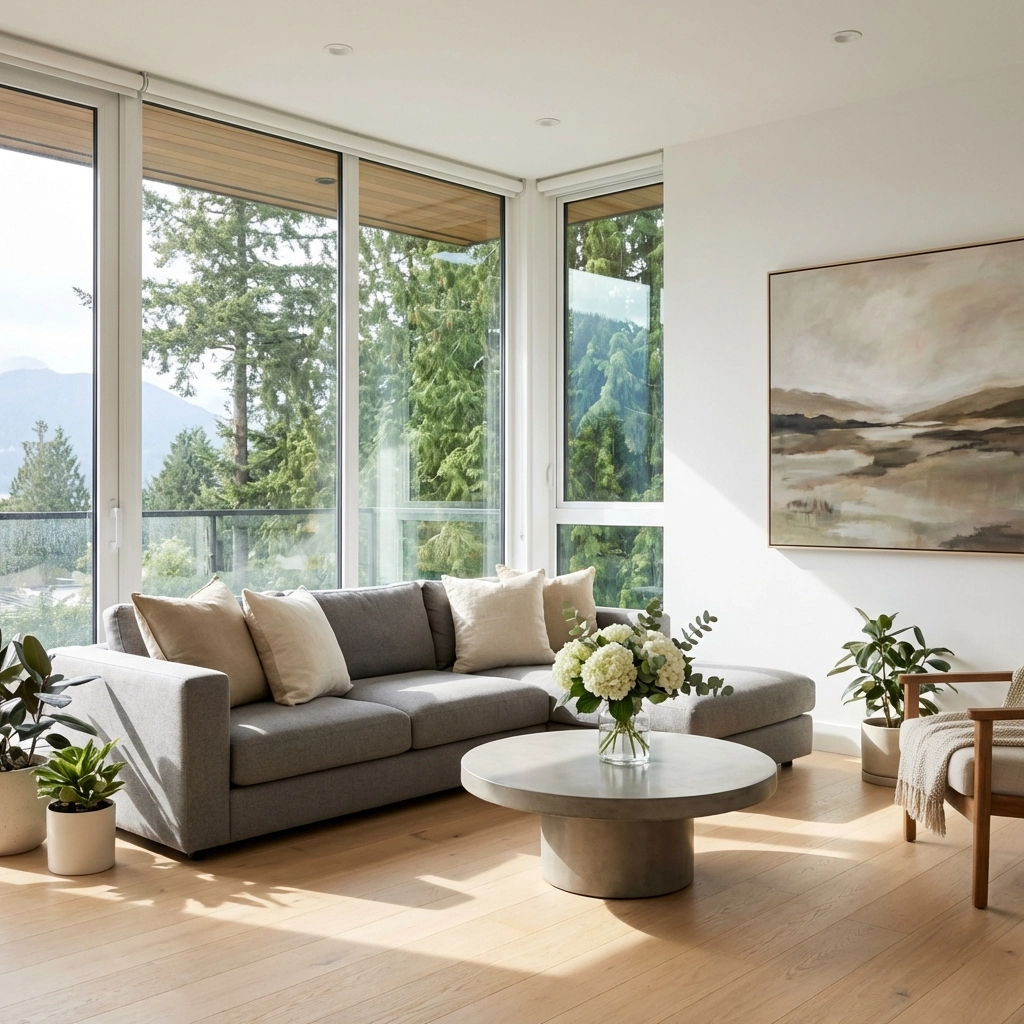
  • Maximizing natural light through window treatments and mirror placement
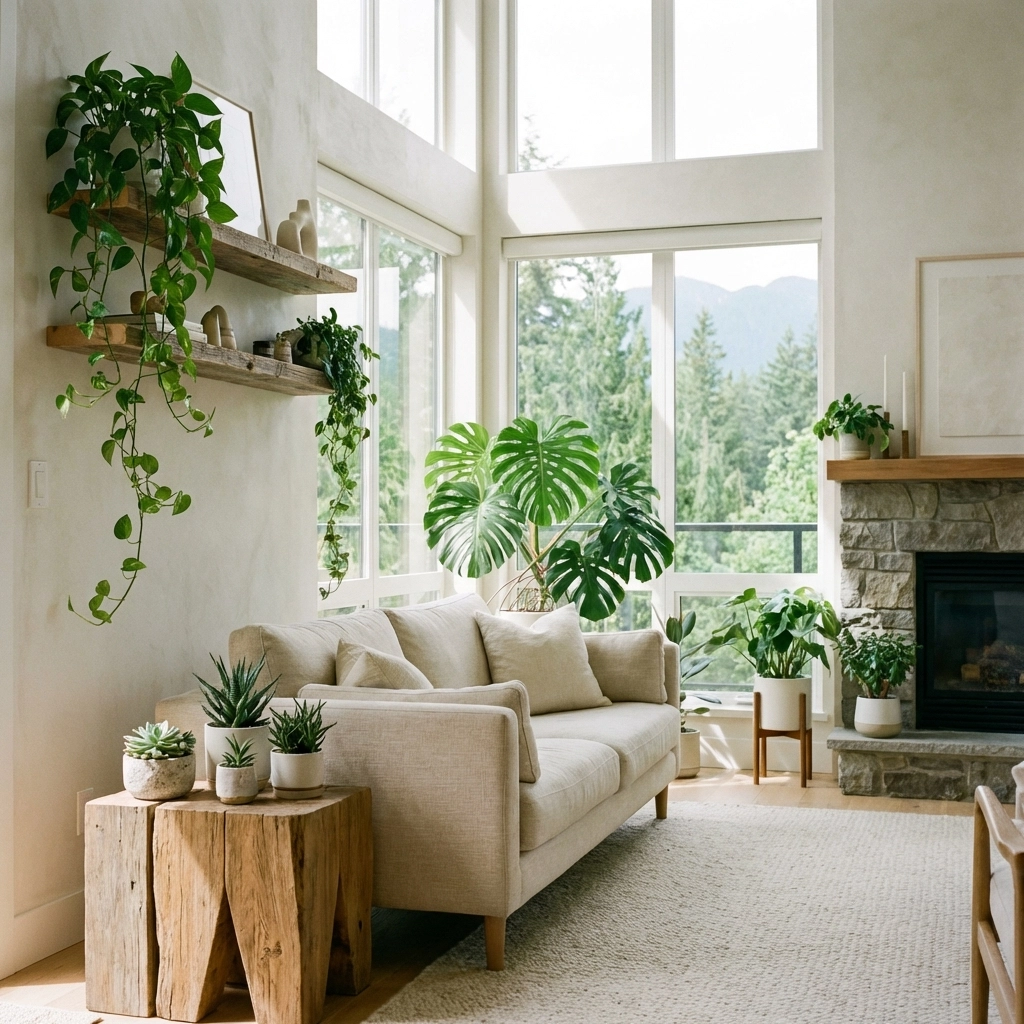
  • Incorporating houseplants throughout the home
  • Using natural materials like wood, stone, and natural fibers
  • Choosing earthy colour palettes inspired by nature
  • Creating sightlines to outdoor spaces like gardens or patios

This approach aligns perfectly with the wellness-driven mindset of today's buyers. People are seeking homes that support their physical and mental health: spaces that feel like a refuge from the chaos of daily life.

For sellers, this trend is relatively easy to embrace. Add some greenery to key rooms, open up blinds to showcase natural light, and ensure outdoor spaces are tidy and inviting. These simple touches can make a powerful impression during showings.

Bringing It All Together

The common thread running through all five of these trends is authenticity. Buyers in 2026 aren't impressed by cold, staged-to-perfection interiors that feel like no one actually lives there. They want warmth, character, and spaces that feel genuinely livable.

As one industry expert recently put it, the most appealing designs today feel "relaxed, functional, and effortlessly stylish": combining clean modern lines with comfortable elements and natural materials.

If you're preparing to sell, you don't need to overhaul your entire home to tap into these trends. Sometimes it's about strategic updates:

  • Swapping out dated furniture for pieces with warmer tones and softer shapes
  • Adding natural textures through textiles, accessories, and finishes
  • Showcasing how spaces can flex for different uses
  • Incorporating plants and maximizing natural light

The goal is to help buyers see themselves living: and thriving: in your space.

Ready to Sell Your Vancouver Home?

Understanding what today's buyers want is just the first step. Knowing how to execute these design principles to maximize your home's appeal and sale price? That's where professional expertise makes all the difference.

Whether you're curious about staging strategies or ready to explore your selling options, I'm here to help you navigate the process. With my background in real estate, home staging, and design, I can help you position your home to attract the right buyers and achieve the best possible outcome.

Want to explore how design and renovations could boost your home's value? Let's connect and create a plan that works for you.

Read

Why Your Vancouver Home Isn’t Selling (And How to Fix It)

You've done everything right: or so you thought. The sign's been on the lawn for weeks, maybe months. The open houses have come and gone. But your Vancouver home just isn't selling, and you're starting to wonder what's going wrong.

You're not alone. The Greater Vancouver real estate market has shifted dramatically, and many sellers are finding themselves in unfamiliar territory. Let's dig into what's really happening and, more importantly, what you can do about it.

The Vancouver Market Has Changed: Here's What You Need to Know

If you listed your home expecting the frenzy of 2021 or 2022, I hate to break it to you: those days are behind us. The market has fundamentally shifted, and understanding this new reality is the first step toward getting your home sold.

Metro Vancouver had 12,550 active listings at the end of December 2025: that's 20% higher than the previous year and 36% above the 10-year average. With roughly eight months of inventory available, buyers have more options than they've had in years. They're not rushing; they're taking their time, comparing properties, and negotiating hard.

Meanwhile, sales volumes have dropped to levels we haven't seen in 25 years. Only 1,537 homes sold in December 2025, marking a 12.9% decline from the same month the year before. Higher interest rates, tighter mortgage rules, and economic uncertainty have all contributed to buyers stepping back.

The result? A classic buyer's market where the power has shifted away from sellers.

image_1

The Real Reasons Your Home Isn't Selling

So your home's been sitting on the market. Before you panic, let's look at the most common culprits: and be honest with yourself about which ones might apply to your situation.

1. Your Price Doesn't Match Market Reality

This is the big one. I know it's tough to hear, but if your home isn't getting showings or offers, pricing is almost always the issue.

Average home prices in Greater Vancouver have fallen 6.8% year-over-year. Detached homes are down 3.6%, attached homes have dropped 4.3%, and condos have taken the biggest hit at 11%. Benchmark prices have been drifting lower for nine consecutive months.

Here's what happens when you overprice: buyers scroll right past your listing. They're doing their research, comparing similar properties, and they know when something's overpriced. Your home doesn't even make it onto their shortlist.

"Homes priced to match current market conditions sell faster than overpriced properties that sit indefinitely."

The longer your home sits on the market, the more buyers assume something's wrong with it. Price reductions can help, but they also signal desperation. It's far better to price correctly from the start.

2. Your Home Isn't Showing Its Best Self

In a buyer's market with abundant options, presentation matters more than ever. Buyers can afford to be picky, and they will be.

Common presentation problems include:

  • Clutter and personal items that make it hard for buyers to imagine themselves living there
  • Dated décor or fixtures that suggest the home needs work
  • Poor lighting or dark spaces that feel uninviting
  • Lingering odors from pets, cooking, or other sources
  • Deferred maintenance like chipped paint, leaky faucets, or worn carpets

First impressions happen fast: often within seconds of a buyer walking through the door (or even just scrolling through listing photos). If your home doesn't immediately appeal, buyers move on to the next option.

image_2

3. Your Marketing Isn't Cutting It

Even a well-priced, beautifully staged home won't sell if buyers don't know about it. In today's market, listing on MLS and hoping for the best isn't enough.

Consider these questions:

  • Are your listing photos professional and compelling?
  • Does your listing description highlight what makes your home special?
  • Is your home being marketed across multiple platforms and channels?
  • Have you leveraged social media, video tours, or virtual staging?

Buyers start their search online, and your listing needs to stand out in a sea of options.

4. You're in a Challenging Segment

Not all property types are created equal in this market. Entry-level homes and modest townhouses tend to move faster because there's still demand from first-time buyers looking to get into the market.

On the other hand:

  • Condos are facing the steepest challenges, with prices down 11% and inventory piling up
  • Luxury and high-end properties are sitting longer due to excess inventory in that segment
  • Properties in less desirable locations require more aggressive pricing and marketing

Understanding where your home fits in the market helps set realistic expectations.

How to Fix It: Actionable Steps to Get Your Home Sold

Enough about the problems: let's talk solutions. Here's what you can do right now to turn things around.

Price It Right (Even If It Hurts)

I won't sugarcoat this: you may need to lower your price. Look at comparable sales from the last 30-60 days, not from six months ago or what your neighbor got in 2022. The market has moved, and your pricing needs to reflect current reality.

Work with your real estate agent to analyze:

  • Recent sales of similar properties in your area
  • Current active listings (your competition)
  • Days on market for comparable homes
  • Price trends in your specific neighborhood and property type

A strategic price adjustment can generate renewed interest and get buyers through the door.

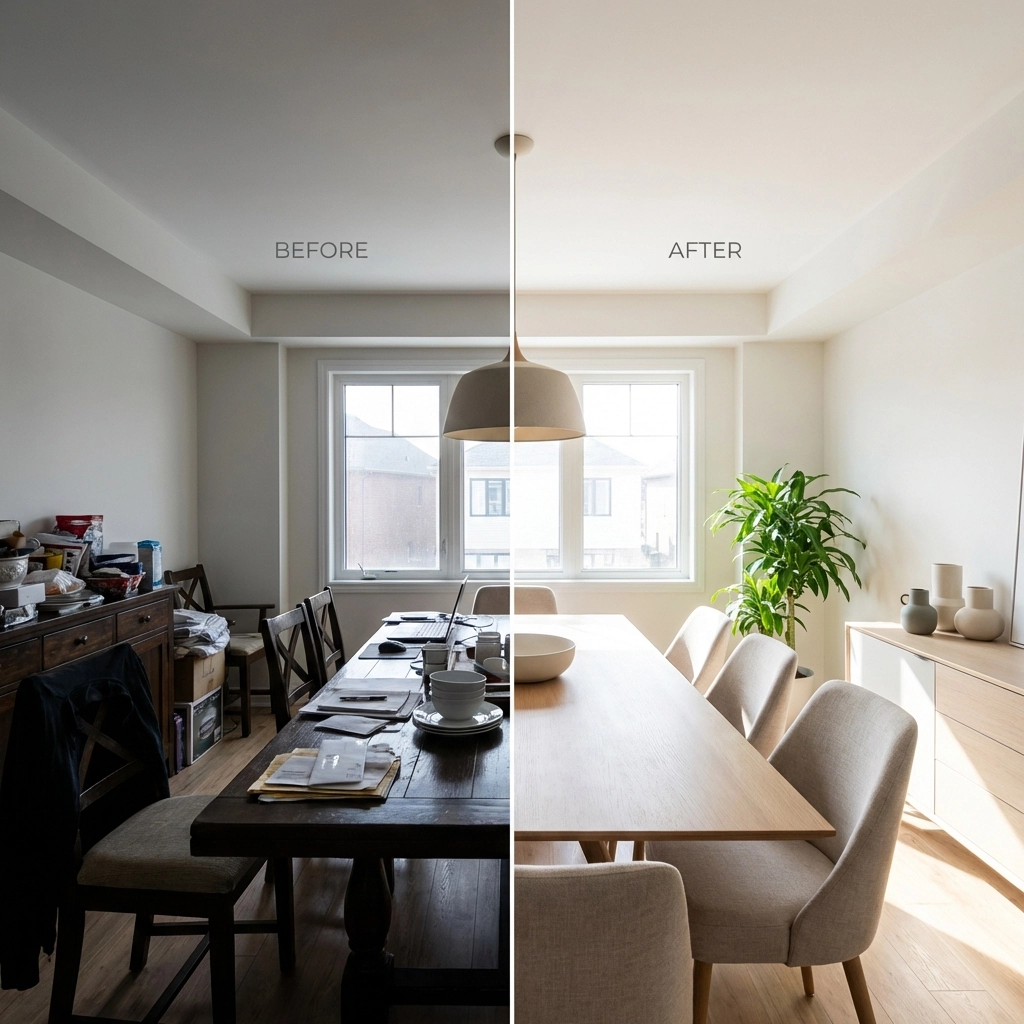
Invest in Staging and Presentation

Professional home staging isn't just for luxury listings: it's a powerful tool in any market, but especially a slow one. Staged homes photograph better, show better, and often sell faster and for more money.

At minimum, focus on:

  • Decluttering ruthlessly: less is more
  • Deep cleaning everything, including carpets and windows
  • Maximizing natural light by opening blinds and adding mirrors
  • Neutralizing décor so buyers can envision their own style
  • Addressing any maintenance issues before they become negotiating points
image_3

Consider Seller Incentives

When buyers have options, a little extra motivation can make the difference. Consider offering:

  • Help with closing costs
  • A home warranty
  • Flexibility on possession dates
  • Allowances for upgrades or repairs

These incentives can make your listing stand out without necessarily dropping your price.

Be Prepared for a Longer Timeline

This isn't the market where homes sell in a weekend with multiple offers. Properties are sitting longer: days on market have stretched to levels not seen since 2019. Adjust your expectations accordingly.

That doesn't mean panic. It means being patient, staying flexible, and working closely with your agent to adjust strategy as needed.

Work with the Right Agent

Not all real estate agents are created equal, especially in a challenging market. You need someone who:

  • Understands the current market dynamics
  • Has strong marketing capabilities
  • Communicates proactively and honestly
  • Has experience navigating buyer's markets
  • Offers staging and design expertise

If you're feeling stuck with your current approach, it might be time for a fresh perspective. Explore how I can help at Vancouver Realty Solutions.

The Bottom Line

The Vancouver real estate market in 2026 requires a different approach than what worked a few years ago. The forecast calls for a largely sideways market: prices aren't likely to surge, but they won't crash dramatically either.

Success in this environment comes down to:

  • Realistic pricing based on current market data
  • Impeccable presentation that makes your home stand out
  • Strong marketing that reaches the right buyers
  • Patience and flexibility as the market takes time

Your home can sell: even in this market. But it requires honest assessment, strategic adjustments, and the right support. Don't let frustration lead to inaction. Take control, make the changes, and position your home to succeed.

Read

Staging Mistakes Vancouver Sellers Are Making (and How to Fix Them)
Selling your home in Greater Vancouver is no small feat. Between navigating the competitive market and getting your property photo-ready, there's a lot to juggle. And while you might think your home looks great as-is, the way you're presenting it could actually be costing you thousands of dollars, or weeks on the market.

Home staging isn't just about making things look pretty. It's about helping buyers see themselves living in your space. When done right, staging can lead to faster sales and higher offers. When done wrong? Well, let's just say it can leave potential buyers running for the door.

Here are seven staging mistakes I see Vancouver sellers making all the time, and exactly how to fix them.

1. Leaving Too Many Personal Items on Display

This is hands-down the most common staging mistake I encounter. Family photos on the mantle, kids' artwork on the fridge, that collection of travel souvenirs you've curated over the years, they all need to go.

Why? Because buyers need to picture themselves living in your home. When they walk in and see your family staring back at them from every corner, they feel like visitors in someone else's space rather than potential new homeowners.

The fix: Pack up personal photos, memorabilia, and anything that screams "this is MY home." Think of it as getting a head start on your moving boxes. Replace those items with neutral artwork or simple decorative pieces that appeal to a wider audience.

image_1

2. Ignoring the Clutter Problem

I get it, life is busy, and stuff accumulates. But clutter is a staging killer. Overflowing closets, crowded countertops, and jam-packed bookshelves make spaces feel smaller and less appealing. Buyers will start wondering if there's enough storage, and they'll have trouble focusing on the home's actual features.

The fix: Be ruthless. Go room by room and remove at least 30-50% of what's currently there. Clear off kitchen counters (yes, even the fancy espresso machine), organize closets to show off their full capacity, and create breathing room in every space. Consider renting a storage unit temporarily: it's worth the investment.

3. Using Outdated or Mismatched Furniture

That floral couch from 2003? The mismatched dining chairs you've collected over the years? They might hold sentimental value, but they're not doing your home any favours in listing photos.

Outdated furniture makes your entire home feel dated, even if you've got brand-new flooring and fresh paint. And mismatched pieces create visual chaos that distracts buyers from your home's best features.

The fix: You don't necessarily need to buy all new furniture. Start by removing the worst offenders and rearranging what remains. If your furniture situation is really dire, consider renting modern pieces for the listing period. Many staging companies in Vancouver offer furniture rental packages that can completely transform a space.

image_2

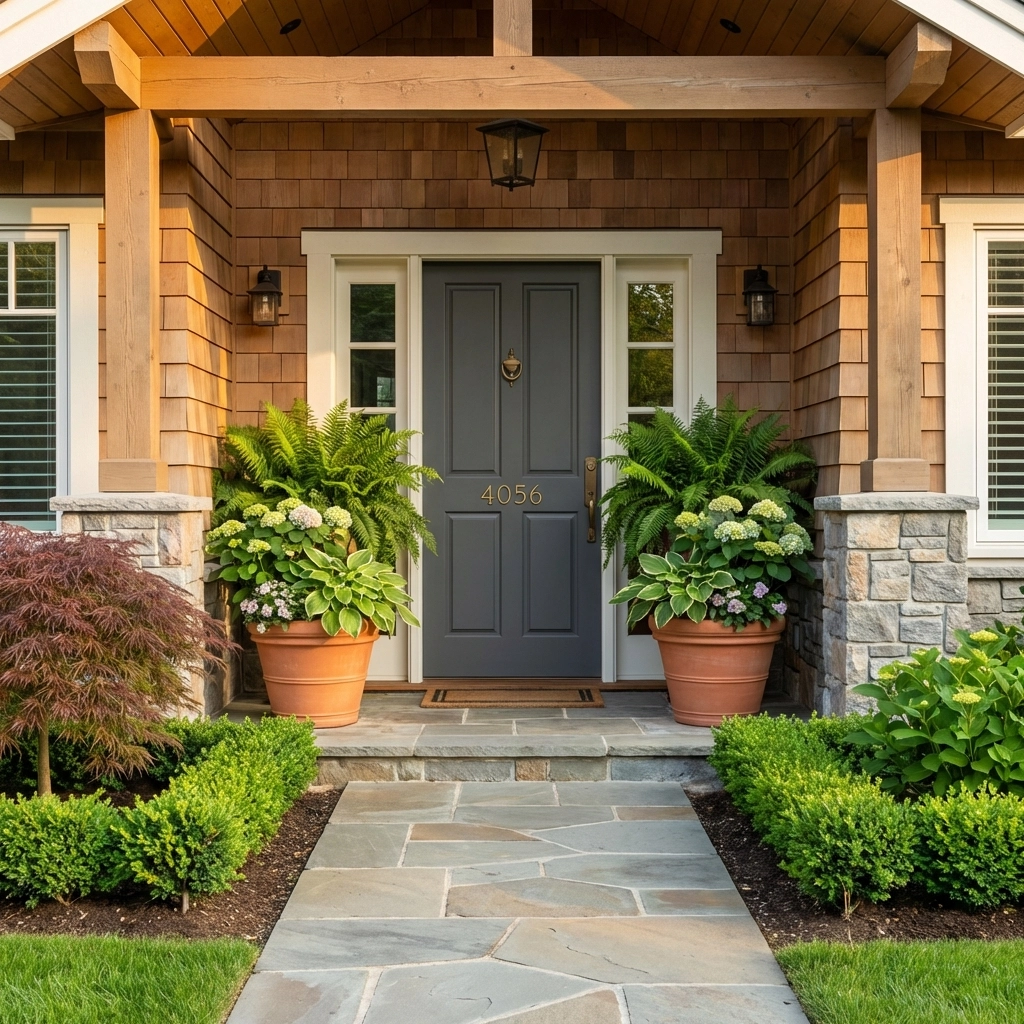
4. Neglecting Curb Appeal

First impressions happen before buyers even step inside. If your front yard is overgrown, your front door is faded, or your porch is cluttered with old planters and forgotten garden tools, buyers might not even make it through the door with an open mind.

In Vancouver's competitive market, curb appeal can make or break that crucial first impression: especially when buyers are scrolling through dozens of listings online.

The fix: Step outside and look at your home through a buyer's eyes. Power wash the driveway and walkways, trim hedges and mow the lawn, add some fresh potted plants by the entrance, and consider painting or replacing your front door. These relatively small investments can dramatically increase perceived value.

5. Leaving Rooms Empty or Undefined

If you've already moved out or have spare rooms sitting empty, you might think that's fine: buyers can use their imagination, right? Wrong. Most people struggle to visualize how furniture fits in a space, and empty rooms often look smaller and less inviting than furnished ones.

Undefined spaces are particularly problematic. That awkward nook: is it a reading corner or a home office? Buyers shouldn't have to guess.

The fix: Stage every room with a clear purpose. If traditional staging isn't in your budget, virtual staging is a fantastic alternative. It uses photo editing to digitally add furniture and décor to your listing photos, helping buyers visualize the potential. Just remember: in BC, all virtually staged photos must be clearly labelled as such to comply with real estate regulations.

image_3

6. Going Overboard with Trendy Décor

While you want your home to look stylish and current, going too far with bold design choices can backfire. That accent wall in electric blue? The ultra-modern furniture that looks like it belongs in a museum? Not everyone shares your aesthetic, and polarizing design choices can turn off potential buyers.

The fix: Stick with a neutral palette and classic design elements. Think warm whites, soft grays, and natural tones: colours that appeal to the broadest range of buyers. You can add personality with textured throw pillows, simple greenery, and tasteful artwork, but keep it universally appealing. Save the bold design choices for your next home.

7. Forgetting About Lighting

Dark, poorly lit rooms feel smaller, gloomier, and less welcoming. I've walked into gorgeous Vancouver homes that felt depressing simply because the blinds were closed and there weren't enough light sources. Especially during our grey winter months, lighting can make or break how your home photographs and how it feels during showings.

The fix: Maximize natural light by opening all blinds and curtains. Clean your windows inside and out (you'd be surprised how much grime builds up). Add lamps to darker corners, and make sure all light bulbs are working and match in colour temperature: mixing warm and cool bulbs creates an uncomfortable visual effect. For listing photos, schedule shoots during the brightest part of the day.

image_4

The Bottom Line

Staging mistakes might seem minor, but in a market like Greater Vancouver, small details can mean the difference between multiple offers and your home sitting on the market for weeks. The good news? Most of these fixes are straightforward and relatively affordable.

Here's a quick recap of what to do:

  • Remove personal items so buyers can envision themselves in the space
  • Declutter aggressively: aim to remove 30-50% of your belongings
  • Update or remove outdated furniture that makes your home feel old
  • Boost curb appeal with fresh landscaping and a welcoming entrance
  • Stage empty rooms with furniture or virtual staging
  • Keep décor neutral and universally appealing
  • Maximize lighting to make spaces feel bright and inviting

If you're feeling overwhelmed, you're not alone. Staging is both an art and a science, and sometimes it helps to have a professional eye. Whether you're looking for guidance on preparing your home for sale or want to explore the current Greater Vancouver listings, I'm here to help you get the best possible result.

Ready to make your home shine? Let's chat about getting your property market-ready.

Read

Looking to Buy in Greater Vancouver? Here Are 10 Things You Should Know About the 2026 Market

If you've been sitting on the sidelines waiting for the right moment to buy a home in Greater Vancouver, 2026 might just be your year. The market has shifted significantly over the past couple of years, and conditions are looking more favorable for buyers than they have in quite some time.

Whether you're a first-time buyer or looking to upgrade, understanding what's happening right now can help you make smarter decisions. Let's break down the 10 things you absolutely need to know before jumping into the Greater Vancouver real estate market this year.

1. It's Officially a Buyer's Market

Here's some great news: the power dynamics have shifted. With approximately eight months of inventory on the market and a sales-to-active listings ratio hovering around 12.7%, buyers now have significant negotiating leverage.

What does this mean for you? Sellers are competing for your attention rather than the other way around. You can take your time, negotiate harder, and potentially walk away with a better deal than you would have just a couple of years ago.

image_1

2. Home Prices Have Dropped to Three-Year Lows

Benchmark prices have declined approximately 4.5% over the past year, bringing us back to early-2023 levels. The average home price currently sits around $1,189,227: down 6.8% from where it was a year ago.

To put that in perspective, we're looking at a meaningful correction from the 2022 peak of $1,252,800. If you felt priced out during the pandemic housing frenzy, this shift could make previously unreachable neighborhoods suddenly attainable.

3. You'll Have More Choices Than Ever

Active listings reached 12,550 in December 2025: that's a 20% increase year-over-year and represents the fourth-highest December inventory level on record going back to 2005.

More listings mean:

  • Greater variety in neighborhoods, styles, and price points
  • Less pressure to make snap decisions
  • Better chances of finding a home that truly fits your needs
  • More room to be selective about features and condition

Ready to explore what's available? Our map search tool lets you browse current listings across the region.

4. Property Type Makes a Big Difference

Not all property types have been affected equally by recent market shifts. Here's how the numbers break down:

Property Type Current Benchmark Year-Over-Year Change
Condos $720,000 Down 11%
Attached Homes $1.20 million Down 4.3%
Detached Homes $2.05 million Down 3.6%

Condos have seen the steepest discounts, making them particularly attractive for first-time buyers or those prioritizing location over space. If you're flexible on property type, there could be some real opportunities to stretch your budget further.

image_2

5. Mortgage Rates Have Eased Up

Remember when rates were keeping everyone up at night? Current 5-year variable rates have dropped to around 3.54%, providing some welcome relief for borrowers.

This lower borrowing cost helps offset some of the challenges of carrying a mortgage in an expensive market. Combined with softening prices, your monthly payments might be more manageable than you expected.

Pro tip: Use our mortgage calculator to get a realistic picture of what your monthly costs might look like at current rates.

6. Take Your Time: Properties Are Staying Listed Longer

Gone are the days of needing to make an offer within hours of a listing going live. Days on market have stretched to levels we haven't seen since 2019, giving you breathing room to:

  • Schedule multiple viewings
  • Get proper inspections done
  • Compare options thoughtfully
  • Sleep on major decisions

This extended timeline is a gift for buyers who want to make informed choices rather than panic-buying out of fear of missing out.

7. Competition Is Lower Than It's Been in Decades

Here's a statistic that might surprise you: 2025 closed with the fewest home sales since 2000. While that sounds concerning for the overall market, it's actually good news for you as a buyer.

Fewer transactions mean:

  • Less competitive pressure from other buyers
  • Lower likelihood of bidding wars
  • More negotiating power on price and terms
  • A more relaxed purchase environment overall
image_3

8. Don't Expect Massive Further Drops

While prices have come down, most forecasts suggest we're unlikely to see dramatic further declines. Price erosion is expected to be limited mostly to condos and certain luxury segments.

What this means: if you're waiting for prices to crash another 20%, you might be waiting a long time. The current market represents a correction, not a collapse. Vancouver's fundamentals: limited land, strong immigration, desirable lifestyle: continue to support long-term value.

9. New Construction Options Are Changing

Developers are adapting to current market realities by pivoting from high-rise condo models to mid-rise and ground-oriented projects. This shift means more diverse housing options are entering the market, potentially offering alternatives that better match what today's buyers are actually looking for.

If you're interested in pre-construction opportunities, it's worth exploring what's coming to market. Check out our presales page for current developments.

10. Vancouver Remains More Stable Than Other Major Markets

Here's some reassuring context: while Toronto prices have fallen roughly 27% from their 2022 peak, Vancouver's correction has been more measured. Our market has shown greater resilience, suggesting broader economic stability in the region.

This relative stability means you're buying into a market that, while adjusting, isn't experiencing the dramatic swings seen elsewhere in Canada.

What Does This All Mean for You?

The 2026 Greater Vancouver real estate market offers a combination of factors that genuinely favor buyers:

  • More inventory = more choices
  • Lower prices = better value
  • Reduced competition = less pressure
  • Lower rates = improved affordability
  • Longer listing times = more decision-making time

Of course, every buyer's situation is unique. Your timeline, budget, and priorities will determine whether now is the right time for you specifically.

Ready to Start Your Home Search?

If you're considering making a move in 2026, having the right information and guidance makes all the difference. Understanding local market conditions, neighborhood dynamics, and negotiation strategies can save you thousands: and help you find a home you'll love.

Want to learn more about the buying process? Visit our buying resources page or reach out directly to discuss your specific situation.

The market is ready for buyers. The question is: are you ready to take advantage of it?

Read
Reciprocity Logo The data relating to real estate on this website comes in part from the MLS® Reciprocity program of either the Greater Vancouver REALTORS® (GVR), the Fraser Valley Real Estate Board (FVREB) or the Chilliwack and District Real Estate Board (CADREB). Real estate listings held by participating real estate firms are marked with the MLS® logo and detailed information about the listing includes the name of the listing agent. This representation is based in whole or part on data generated by either the GVR, the FVREB or the CADREB which assumes no responsibility for its accuracy. The materials contained on this page may not be reproduced without the express written consent of either the GVR, the FVREB or the CADREB.