
You've done everything right: or so you thought. The sign's been on the lawn for weeks, maybe months. The open houses have come and gone. But your Vancouver home just isn't selling, and you're starting to wonder what's going wrong.
You're not alone. The Greater Vancouver real estate market has shifted dramatically, and many sellers are finding themselves in unfamiliar territory. Let's dig into what's really happening and, more importantly, what you can do about it.
The Vancouver Market Has Changed: Here's What You Need to Know
If you listed your home expecting the frenzy of 2021 or 2022, I hate to break it to you: those days are behind us. The market has fundamentally shifted, and understanding this new reality is the first step toward getting your home sold.
Metro Vancouver had 12,550 active listings at the end of December 2025: that's 20% higher than the previous year and 36% above the 10-year average. With roughly eight months of inventory available, buyers have more options than they've had in years. They're not rushing; they're taking their time, comparing properties, and negotiating hard.
Meanwhile, sales volumes have dropped to levels we haven't seen in 25 years. Only 1,537 homes sold in December 2025, marking a 12.9% decline from the same month the year before. Higher interest rates, tighter mortgage rules, and economic uncertainty have all contributed to buyers stepping back.
The result? A classic buyer's market where the power has shifted away from sellers.
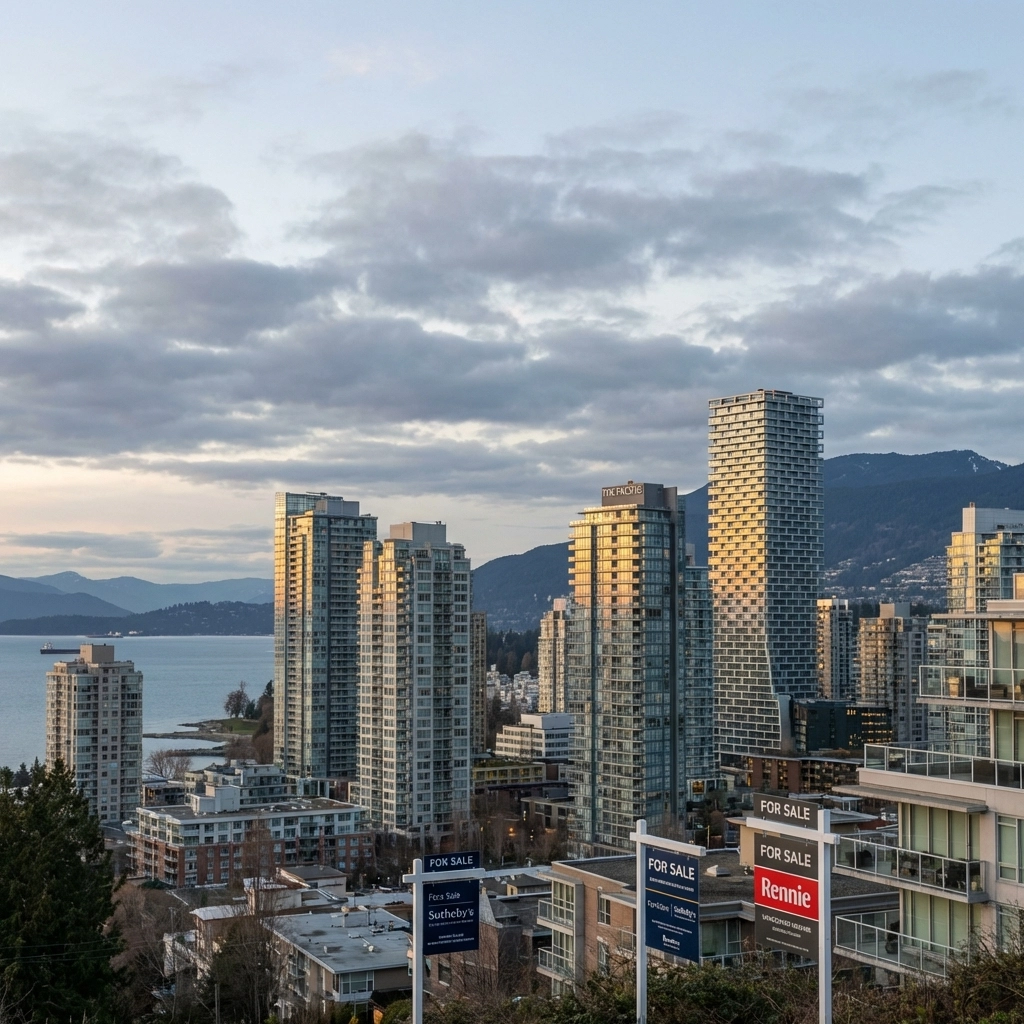
The Real Reasons Your Home Isn't Selling
So your home's been sitting on the market. Before you panic, let's look at the most common culprits: and be honest with yourself about which ones might apply to your situation.
1. Your Price Doesn't Match Market Reality
This is the big one. I know it's tough to hear, but if your home isn't getting showings or offers, pricing is almost always the issue.
Average home prices in Greater Vancouver have fallen 6.8% year-over-year. Detached homes are down 3.6%, attached homes have dropped 4.3%, and condos have taken the biggest hit at 11%. Benchmark prices have been drifting lower for nine consecutive months.
Here's what happens when you overprice: buyers scroll right past your listing. They're doing their research, comparing similar properties, and they know when something's overpriced. Your home doesn't even make it onto their shortlist.
"Homes priced to match current market conditions sell faster than overpriced properties that sit indefinitely."
The longer your home sits on the market, the more buyers assume something's wrong with it. Price reductions can help, but they also signal desperation. It's far better to price correctly from the start.
2. Your Home Isn't Showing Its Best Self
In a buyer's market with abundant options, presentation matters more than ever. Buyers can afford to be picky, and they will be.
Common presentation problems include:
- Clutter and personal items that make it hard for buyers to imagine themselves living there
- Dated décor or fixtures that suggest the home needs work
- Poor lighting or dark spaces that feel uninviting
- Lingering odors from pets, cooking, or other sources
- Deferred maintenance like chipped paint, leaky faucets, or worn carpets
First impressions happen fast: often within seconds of a buyer walking through the door (or even just scrolling through listing photos). If your home doesn't immediately appeal, buyers move on to the next option.

3. Your Marketing Isn't Cutting It
Even a well-priced, beautifully staged home won't sell if buyers don't know about it. In today's market, listing on MLS and hoping for the best isn't enough.
Consider these questions:
- Are your listing photos professional and compelling?
- Does your listing description highlight what makes your home special?
- Is your home being marketed across multiple platforms and channels?
- Have you leveraged social media, video tours, or virtual staging?
Buyers start their search online, and your listing needs to stand out in a sea of options.
4. You're in a Challenging Segment
Not all property types are created equal in this market. Entry-level homes and modest townhouses tend to move faster because there's still demand from first-time buyers looking to get into the market.
On the other hand:
- Condos are facing the steepest challenges, with prices down 11% and inventory piling up
- Luxury and high-end properties are sitting longer due to excess inventory in that segment
- Properties in less desirable locations require more aggressive pricing and marketing
Understanding where your home fits in the market helps set realistic expectations.
How to Fix It: Actionable Steps to Get Your Home Sold
Enough about the problems: let's talk solutions. Here's what you can do right now to turn things around.
Price It Right (Even If It Hurts)
I won't sugarcoat this: you may need to lower your price. Look at comparable sales from the last 30-60 days, not from six months ago or what your neighbor got in 2022. The market has moved, and your pricing needs to reflect current reality.
Work with your real estate agent to analyze:
- Recent sales of similar properties in your area
- Current active listings (your competition)
- Days on market for comparable homes
- Price trends in your specific neighborhood and property type
A strategic price adjustment can generate renewed interest and get buyers through the door.
Invest in Staging and Presentation
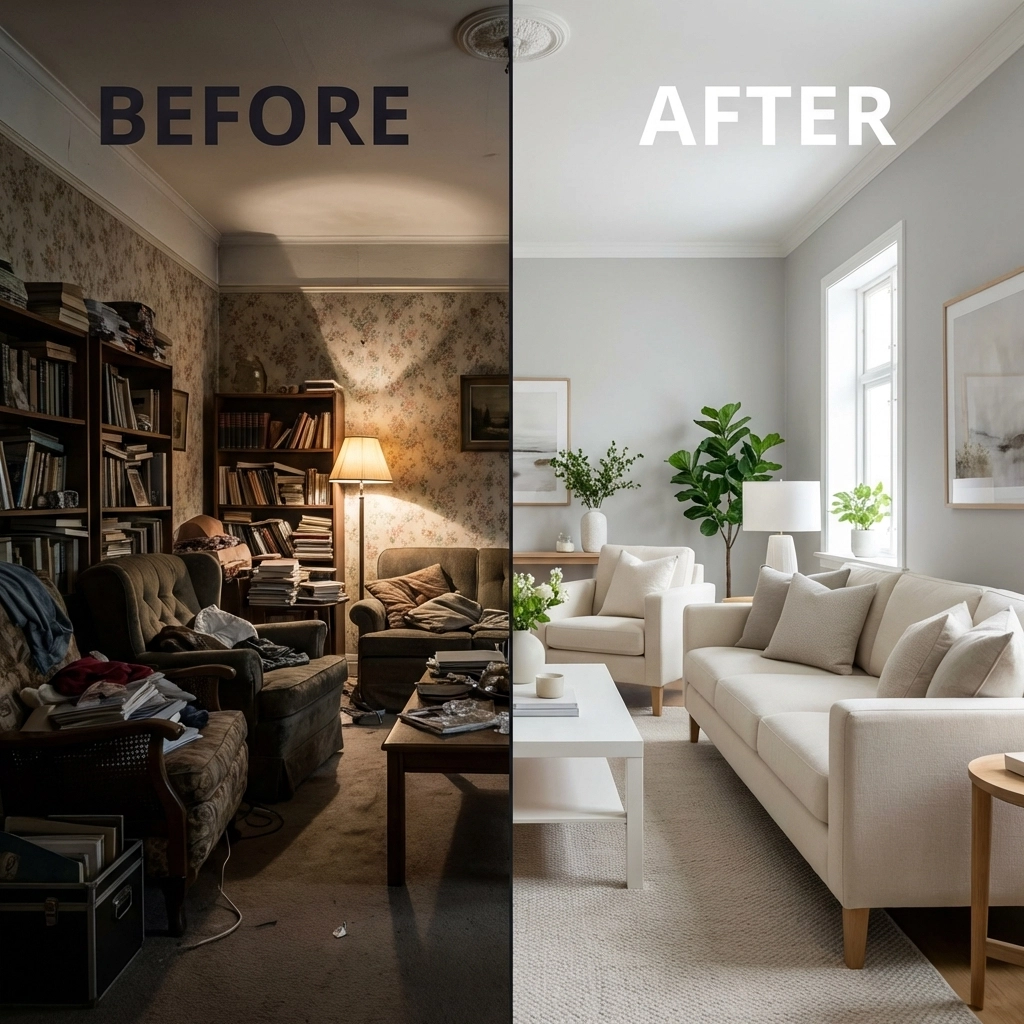
Professional home staging isn't just for luxury listings: it's a powerful tool in any market, but especially a slow one. Staged homes photograph better, show better, and often sell faster and for more money.
At minimum, focus on:
- Decluttering ruthlessly: less is more
- Deep cleaning everything, including carpets and windows
- Maximizing natural light by opening blinds and adding mirrors
- Neutralizing décor so buyers can envision their own style
- Addressing any maintenance issues before they become negotiating points
Consider Seller Incentives
When buyers have options, a little extra motivation can make the difference. Consider offering:
- Help with closing costs
- A home warranty
- Flexibility on possession dates
- Allowances for upgrades or repairs
These incentives can make your listing stand out without necessarily dropping your price.
Be Prepared for a Longer Timeline
This isn't the market where homes sell in a weekend with multiple offers. Properties are sitting longer: days on market have stretched to levels not seen since 2019. Adjust your expectations accordingly.
That doesn't mean panic. It means being patient, staying flexible, and working closely with your agent to adjust strategy as needed.
Work with the Right Agent
Not all real estate agents are created equal, especially in a challenging market. You need someone who:
- Understands the current market dynamics
- Has strong marketing capabilities
- Communicates proactively and honestly
- Has experience navigating buyer's markets
- Offers staging and design expertise
If you're feeling stuck with your current approach, it might be time for a fresh perspective. Explore how I can help at Vancouver Realty Solutions.
The Bottom Line
The Vancouver real estate market in 2026 requires a different approach than what worked a few years ago. The forecast calls for a largely sideways market: prices aren't likely to surge, but they won't crash dramatically either.
Success in this environment comes down to:
- Realistic pricing based on current market data
- Impeccable presentation that makes your home stand out
- Strong marketing that reaches the right buyers
- Patience and flexibility as the market takes time
Your home can sell: even in this market. But it requires honest assessment, strategic adjustments, and the right support. Don't let frustration lead to inaction. Take control, make the changes, and position your home to succeed.
 The data relating to real estate on this website comes in part from the MLS® Reciprocity program of either the Greater Vancouver REALTORS® (GVR), the Fraser Valley Real Estate Board (FVREB) or the Chilliwack and District Real Estate Board (CADREB). Real estate listings held by participating real estate firms are marked with the MLS® logo and detailed information about the listing includes the name of the listing agent. This representation is based in whole or part on data generated by either the GVR, the FVREB or the CADREB which assumes no responsibility for its accuracy. The materials contained on this page may not be reproduced without the express written consent of either the GVR, the FVREB or the CADREB.
Comments:
Post Your Comment: